Cycle of Knowledge Mobilization and Community of Practice “Use of Evidence in Education”
SUMMA – KIX LAC

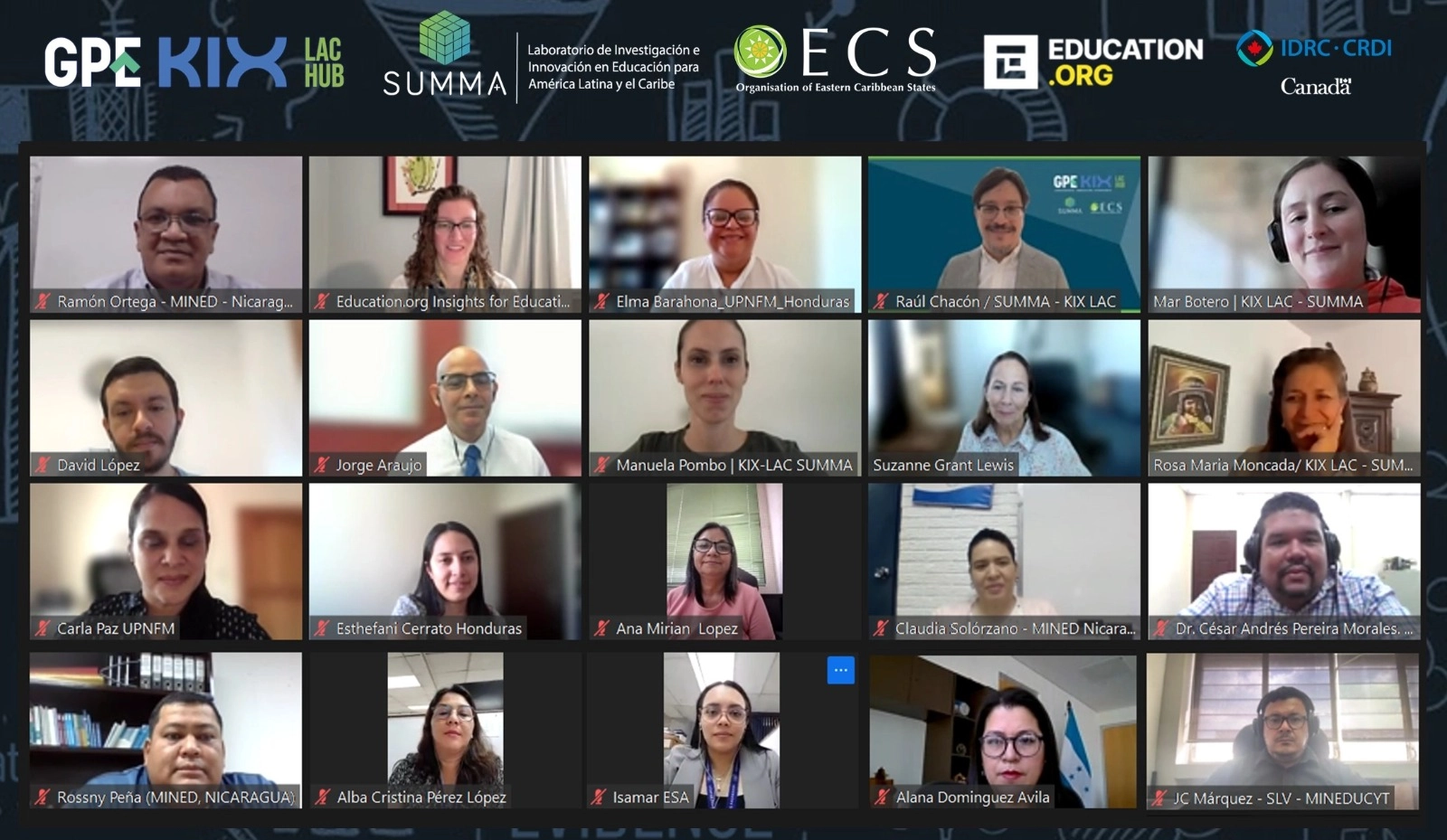
The Cycle of Knowledge Mobilization seeks to promote a culture of evidence use in educational decision-making by developing specific skills through training opportunities. Throughout this cycle, the challenges of the learning crisis were addressed by offering evidence-based strategies and encouraging knowledge exchange and collaboration among different actors in the region’s educational ecosystem, creating a shared space for learning and collaboration.
Key learnings from the Cycle of Knowledge Mobilization and Community of Practice: “Use of Evidence in Education”
1. Sub-cycle 1: Use of Evidence for Institutional Change in Education
- Attendees emphasized the importance of basing decision-making on solid evidence, which is fundamental to addressing challenges with informed and effective strategies.
2. S Sub-cycle 2: Promoting the Monitoring of Student Learning
- Evaluation was highlighted as a key to continuous improvement, encouraging critical reflection on current systems and their opportunities for transformation.
3. Sub-cycle 3: Education Information and Management Systems (EMIS) for Social Justice
- The importance of understanding the EMIS for strategic decisions was emphasized, identifying challenges and opportunities for implementation and improvement.
General Closure
Nearly 90% of participants stated that the objectives, topics, and tools offered in each session contributed to enhancing their knowledge and skills.
If you want to participate in the Cycle of Knowledge Mobilization and Community of Practice, please update your information in the form.
Throughout this mobilization cycle, several participants shared testimonials that reflect the impact of the sessions:
Cycle in numbers
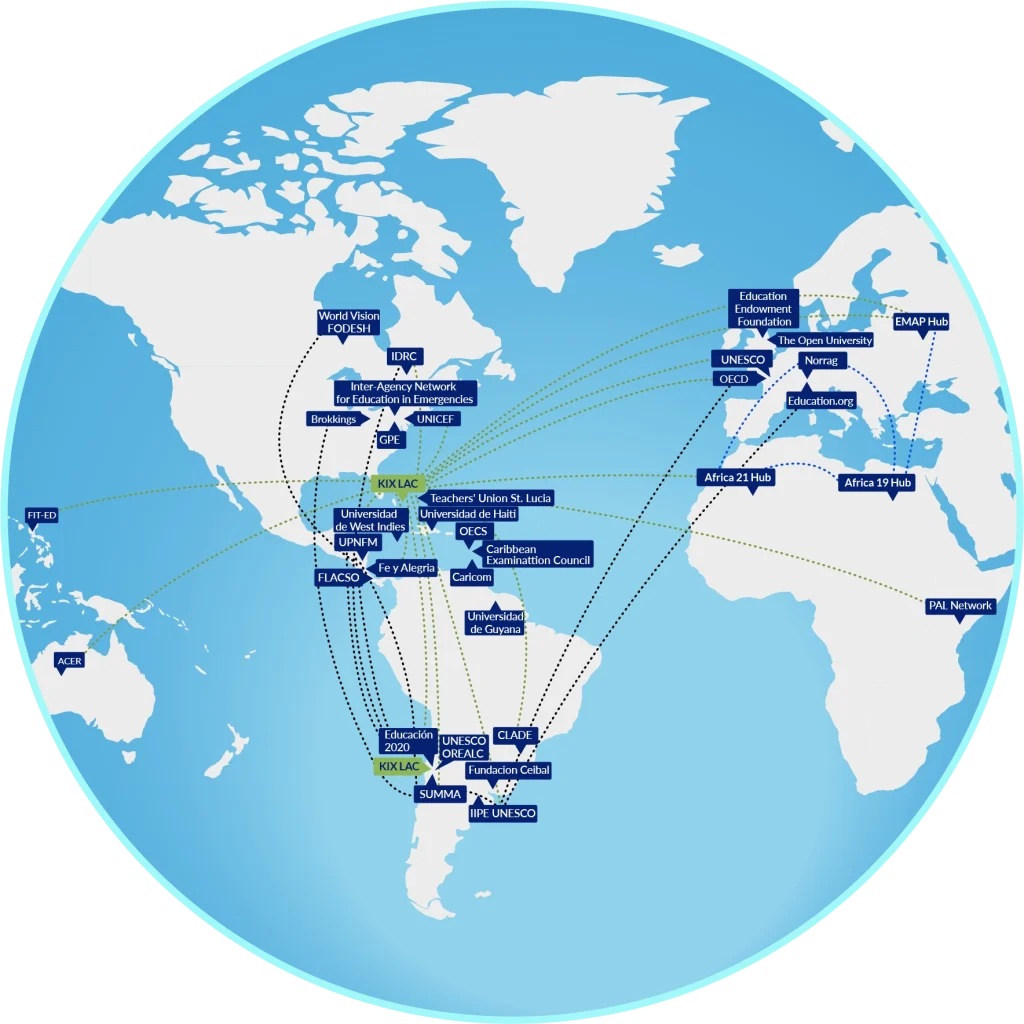
+ 440 participants from more than 20 countries
6 events that featured participation from over 20 institutions
Over 45 dissemination products, including platforms, articles, documents, and interviews
142 posts on our X and Facebook, and over 1000 views on YouTube
Highlighted presentations – Allied organizations
For KIX LAC, it is essential to bring closer the voices of professionals and international experts who, from their experience, enrich the debate on the use of evidence in education. Listening to experts from various organizations allows us to integrate perspectives that broaden our understanding and strengthen knowledge exchange in the region. Access the presentations again:
Mobilizing evidence for social justice in education: Experiences from the global south
Dr. Javier Gonzalez (Director of SUMMA)

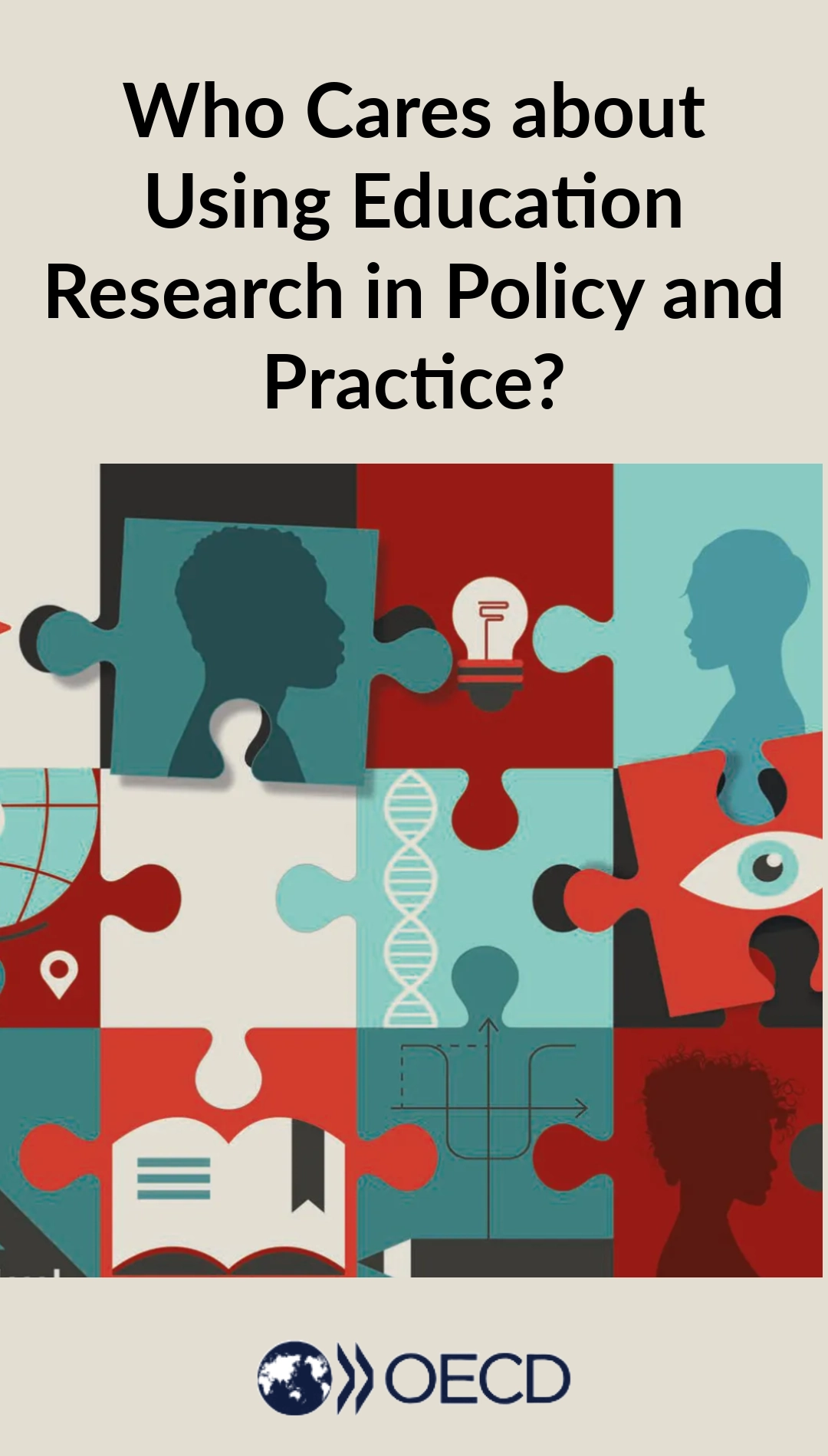
The Role of Research in Educational Policy
Dr. Nóra Révai (Project Leader and Analyst at the Organization for Economic Cooperation and Development – OECD)

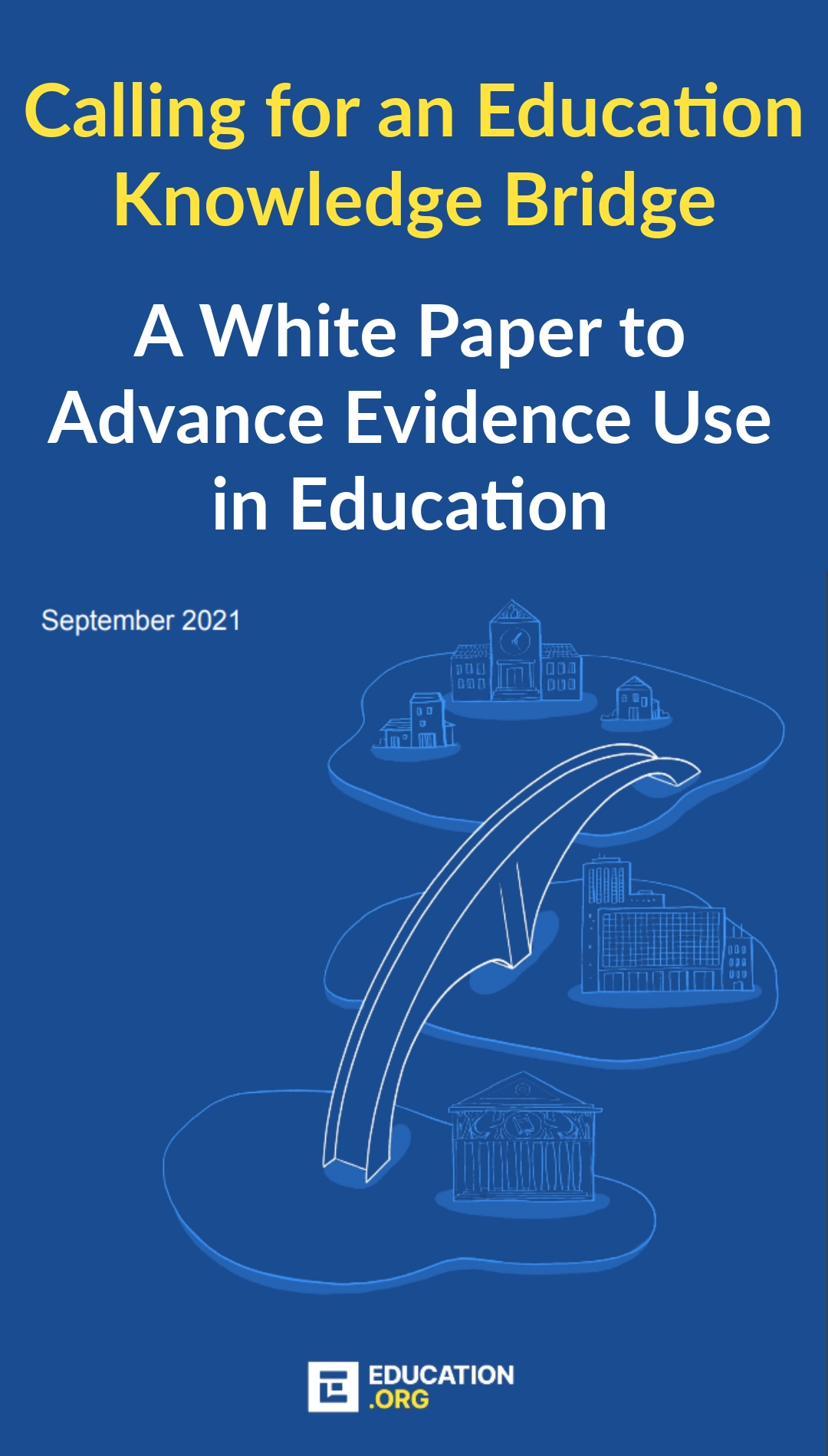
Addressing the Knowing–Doing Gap by Better Serving Education Policymakers’ Evidence Needs
Dra. Suzanne Grant Lewis (Chair of Education Science and Policy – Education.org )
Uses of the ERCE Test for Planning and Improving Educational Policy in National Contexts
Carlos Henríquez (Coordinator of LLECE at UNESCO)
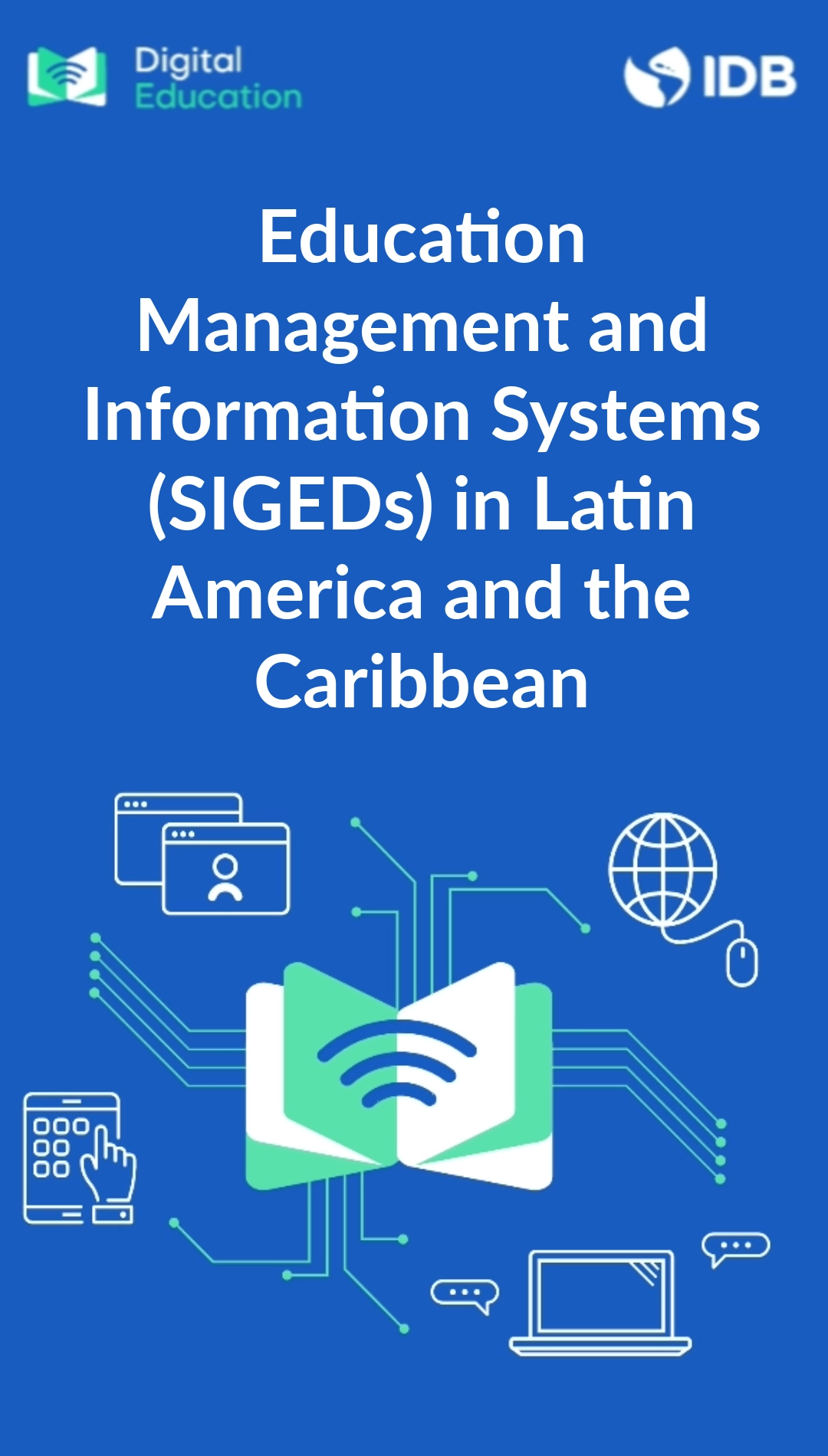
Perspectives and Challenges of EMIS in Latin America
Marcelo Pérez Alfaro (Lead Education Specialist at the IDB)
Highlighted Reflections

We want to develop places that contain reliable evidence where teachers, researchers, and policymakers can access information free of charge.
Dr. Jonathan Kay
Head of Test Synthesis at Education Endowment Foundation

Every country on this planet has significant educational challenges, even those rated as the best, and most agree that research and evidence are relevant to achieving educational improvement.
Nóra Révai
Project Manager OECD
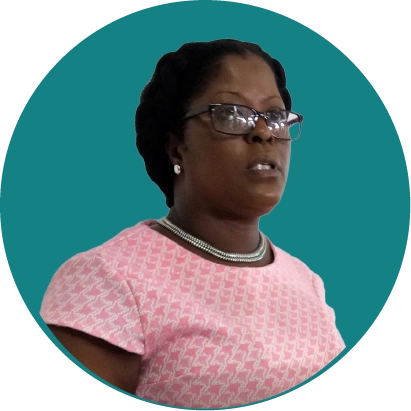
With the information received from the evaluations, we can investigate best practices and alternate modalities that ensure the evaluation is conducted effectively, ensuring that our educational system moves forward in a positive way.
Carmelita Matthew
Responsible for Evaluation Unit – Ministry of Education of Saint Lucia

The focus is on the students. From there, we build and understand the evaluation system in a more complex way, and we complement it with information and data systems that are becoming stronger and stronger.
Dr. Wayne Wesley
Registrar and Chief Executive Officer – Caribbean Examinations Council (CXC®)

I believe there is an increasing awareness today that we need to work not just with averages but with each student and each group, and that we must move towards personalization. To achieve this, we need to have established and solid EMIS, which is extremely important.
Marcelo Pérez Alfaro
Lead Education Specialist and Southern Cone Focal Point del Inter-American Development Bank

It is important to incorporate EMIS in different areas to know where we stand and monitor the indicators. to track and reflect on progress, and to define how to address the gaps. Only by ensuring quality monitoring can we strengthen the infrastructure.
Joy Nafungo
Education Specialist and KIX Africa Program Officer at IDRC

This type of exchange (learning visits) is very important to me. […] This program is very beneficial in terms of exchange; it allows us to learn about the implementation of EMIS and avoid repeating the same mistakes.
Kade DeCoteau
Information and Communication Technologies Officer at the Ministry of Education of Grenada
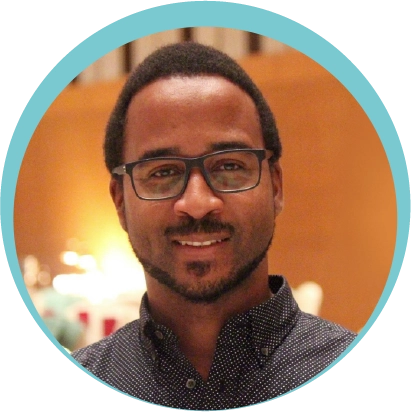
I want to acknowledge the importance of the work that KIX LAC is doing to support the OECS. […] The regional EMIS initiative that we have initiated will have a profound impact on the development of education in the region. Therefore, KIX’s support for knowledge exchanges has been truly helpful and, in fact, a real necessity.
Germain Anthony
Technical Education Specialist at the Educational Development Management Unit of the OECS
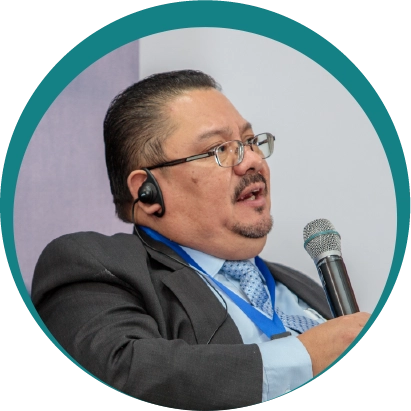
We are currently receiving great support from KIX LAC – SUMMA; they are accompanying this reform in our effort to gather evidence from an implementation process that we have focused on 1,143 schools where we are piloting the educational model […] They have been with us since the beginning of this year, trying to identify the elements that provide support and those that still challenge us in terms of this reform.
Edgar Abrego
General Director of Educational Levels and Modalities at the Ministry of Education of El Salvador
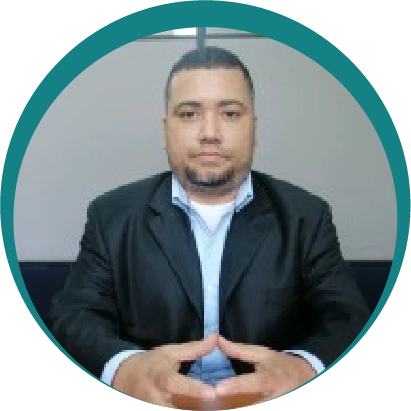
Educational information and management systems are not just data; they must be strategies for supporting learners. […] A high-impact EMIS should be educational management processes that design, record, and generate information for decision-making.
Javier Donaire
Secretariat of Education of Honduras
Highlighted presentations – From the territories
It is essential to listen to the voices of professionals from different countries, who provide valuable perspectives from the particular realities of their contexts. This allows us to understand how educational challenges vary and how solutions must be adapted to the specific needs and characteristics of each region, thus enriching the debate and strengthening collaboration around the use of evidence in education. Relive these presentations:
Transforming Education in El Salvador: The “My New School” Program
Édgar Ábrego – (General Directorate of Educational Levels and Modalities of the Ministry of Education, Science, and Technology of El Salvador)
Challenges of Regional and National Assessments in the Eastern Caribbean
Royston Emmanuel (Education Development Management Unit -EDMU – OECS)
Educational Management in Honduras: Student Registration and the SART Module for Vulnerable Populations
Javier Donaire (General Coordinator of the National Educational Information System Unit)

KIX Conversation: Could the Use of Evidence Strengthen Education in Haiti?
Guerlande Bien-Aimé, (Coordinator of the InnovEd-UniQ Training Pillar)
Highlighted publications
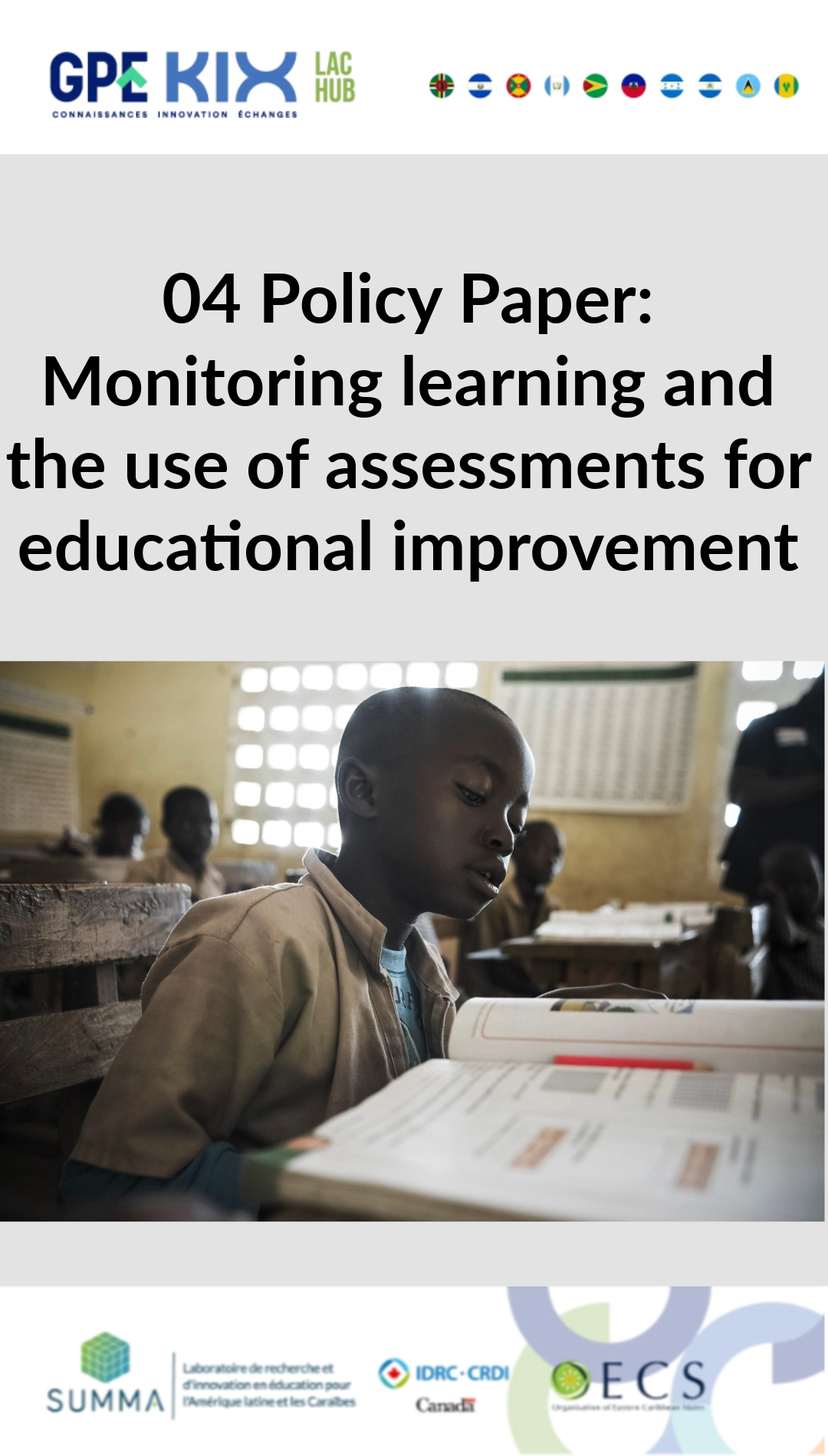
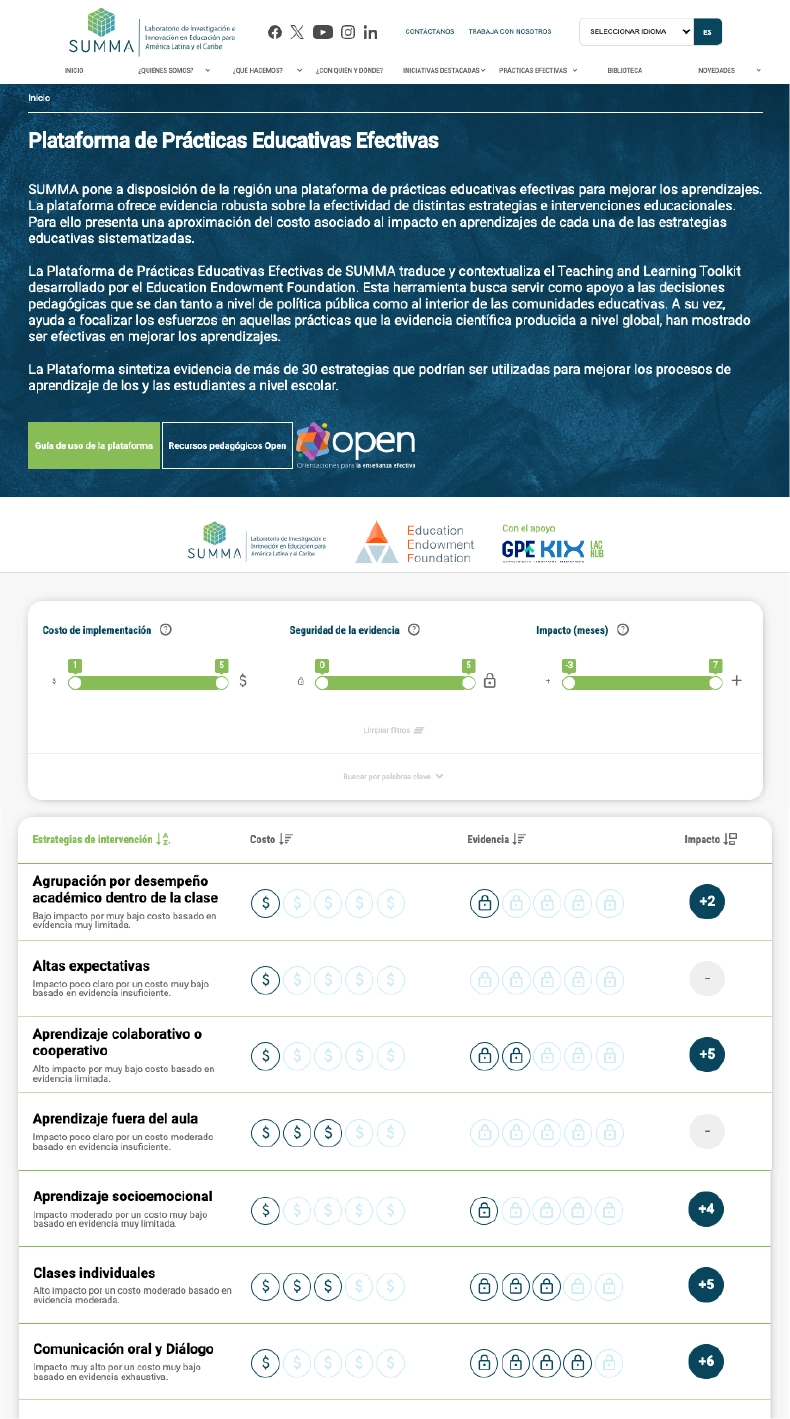
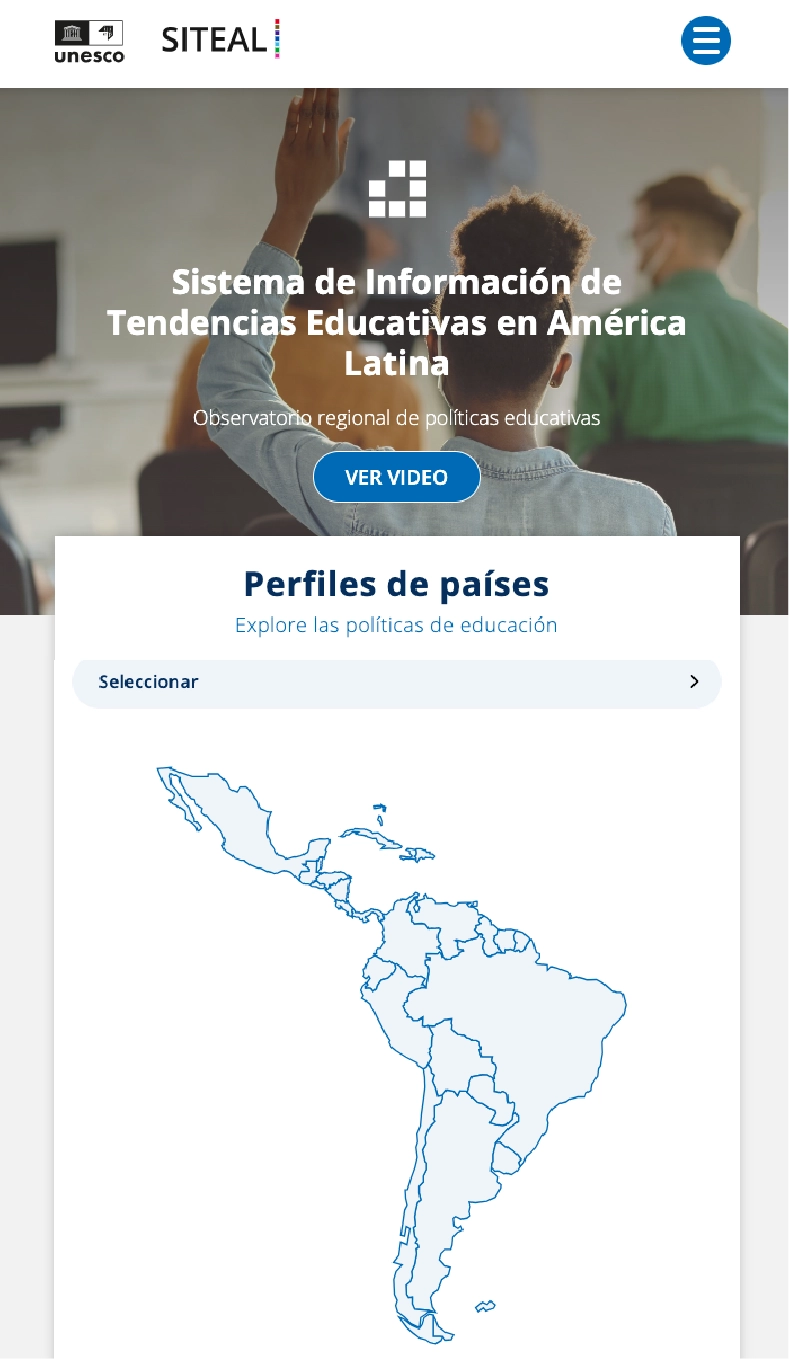
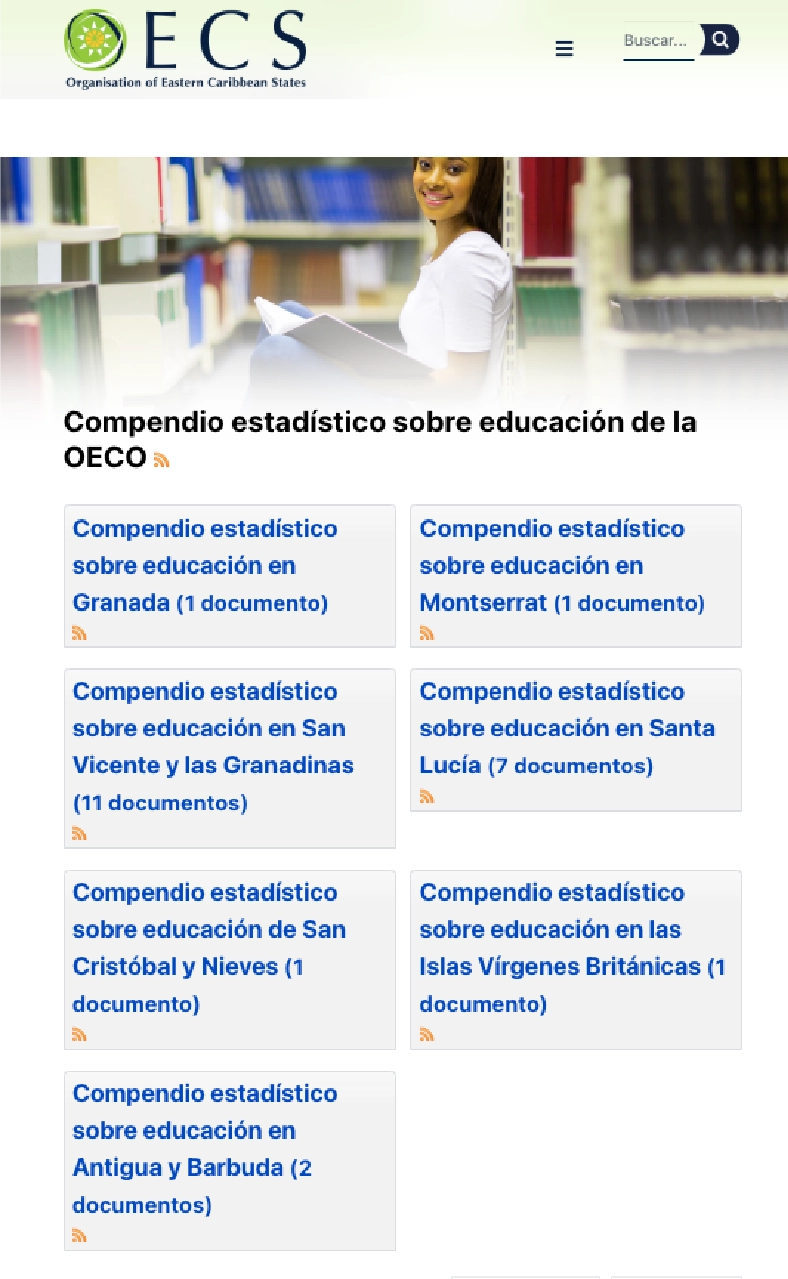
We highlight these documents that provide valuable information and enrich the understanding of the challenges and opportunities in the educational field.
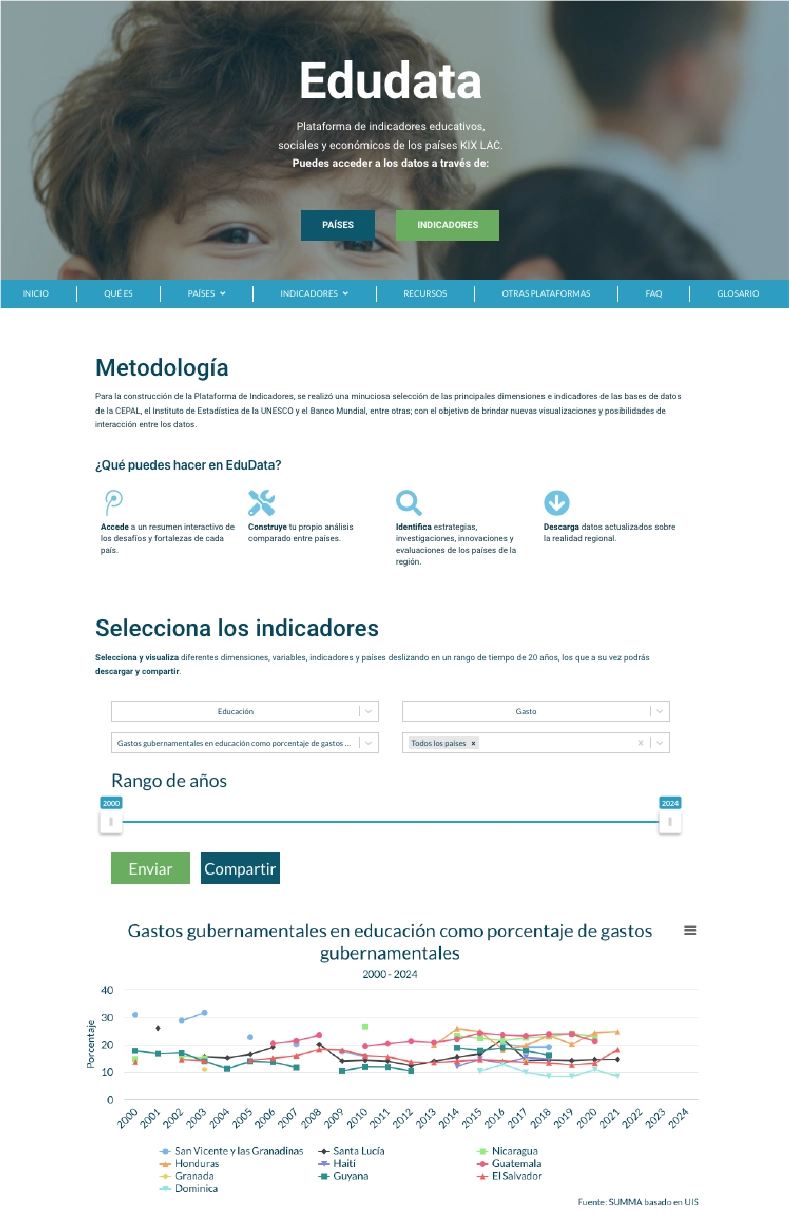
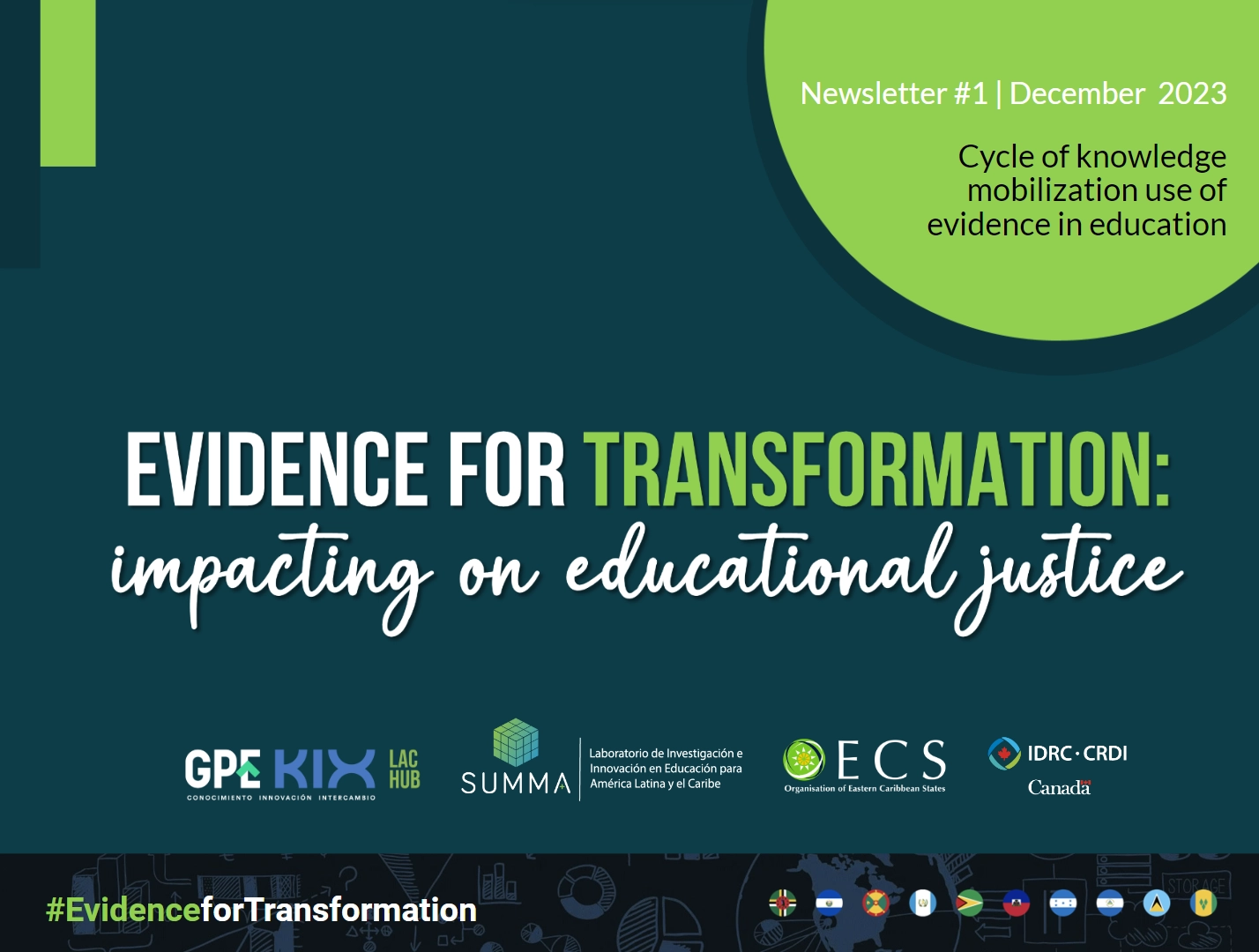
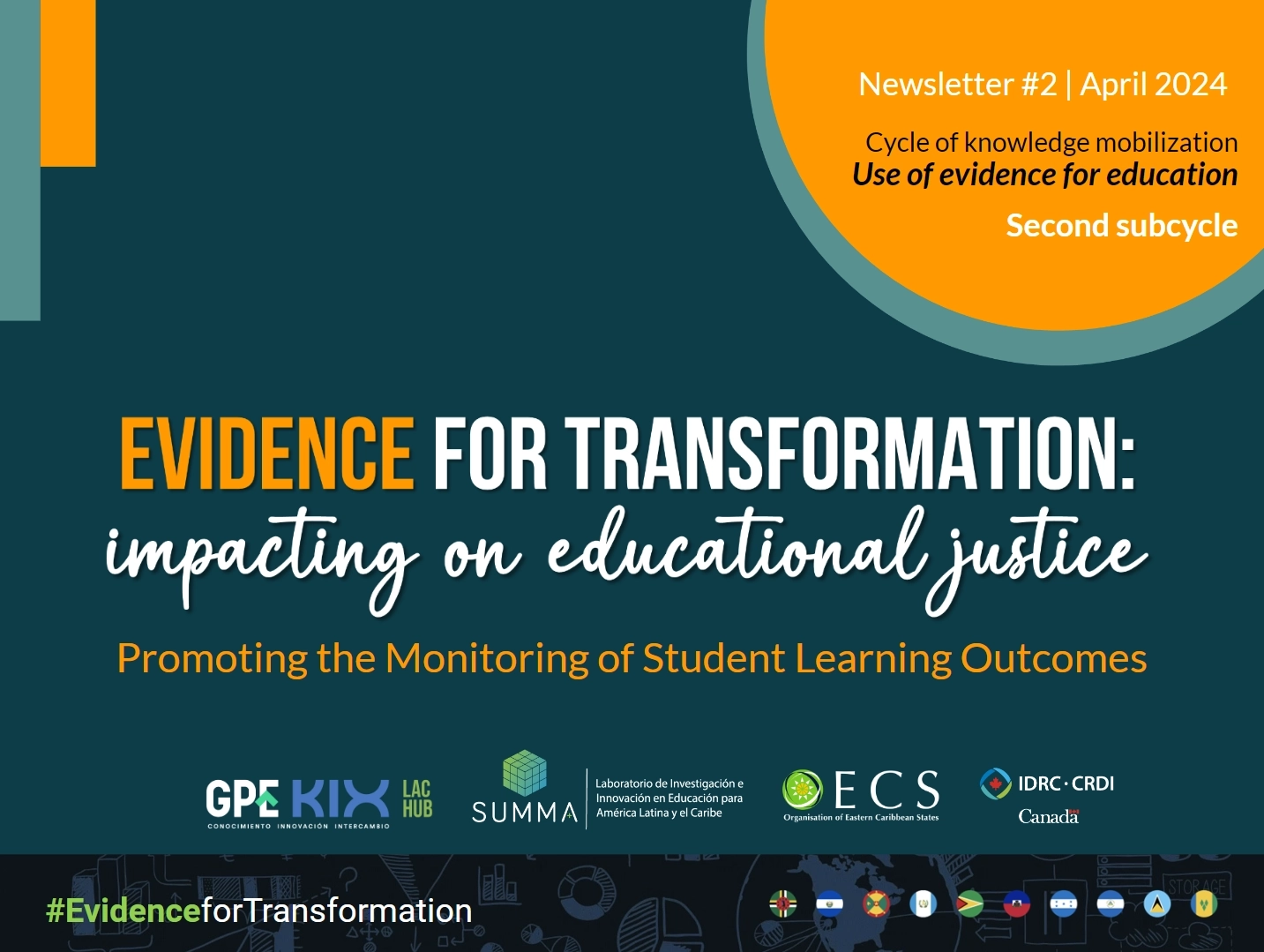
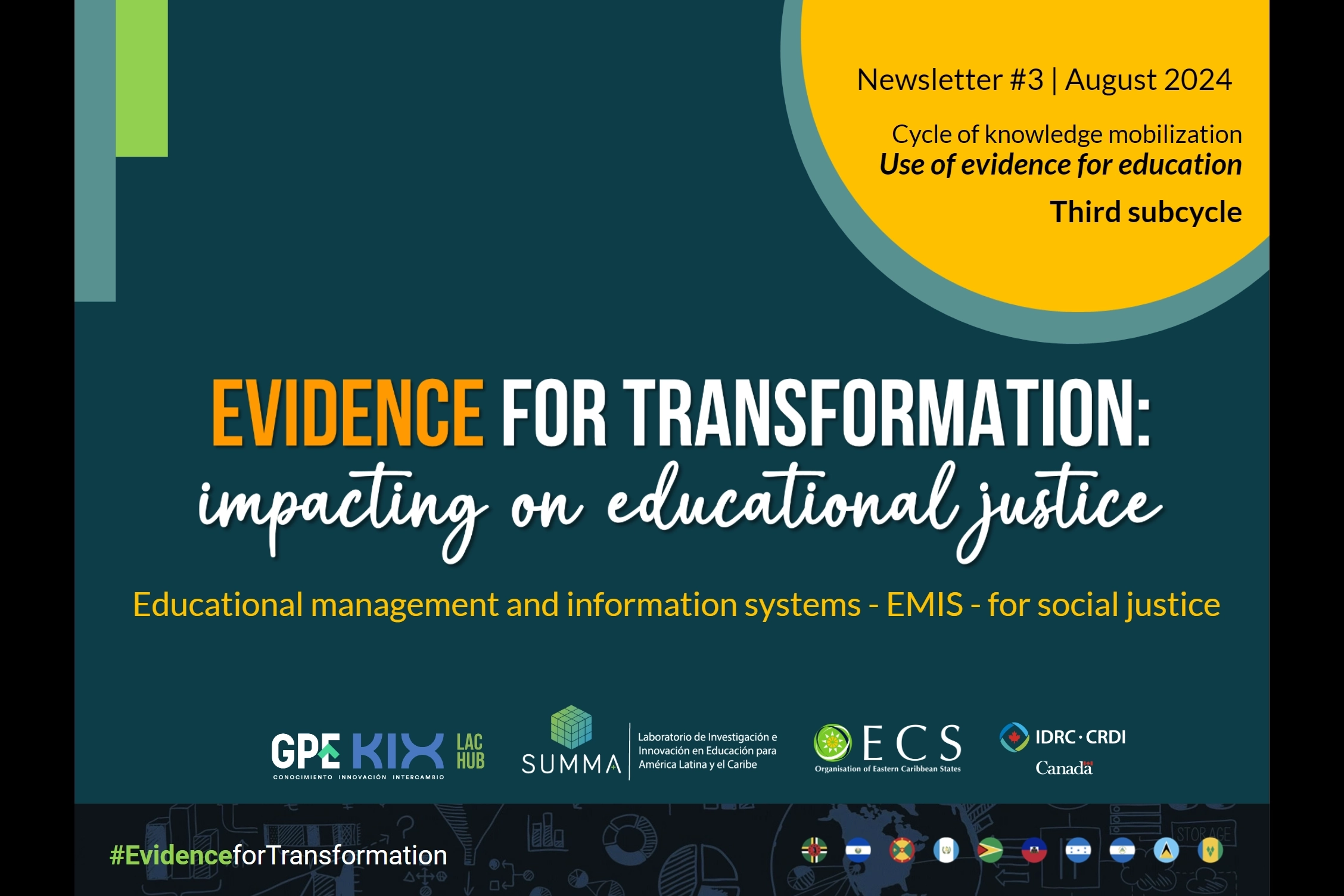
To learn more about the topics covered, explore our previous newsletters
In these documents, you will find a summary of what was accomplished in the subcycles, as well as general information, documents, platforms, and relevant interviews for the Latin America and Caribbean region.
Follow us on our social media
Connections that build the future
We thank all the organizations and participants who joined and shared their valuable experiences in each of the seminars and workshops held on this highly relevant and current topic. We also extend our gratitude to the SUMMA – KIX LAC team, whose commitment and dedication have been fundamental to the success of these exchange and learning spaces.
- International Institute for Educational Planning (IIEP) UNESCO
- Organisation of Eastern Caribbean States (OECS)
- Latin American Faculty of Social Sciences (FLACSO)
- Brookings
- Organization of Ibero-American States (OEI)
- Caribbean Examinations Council (CXC®)
- Saint Lucia Teachers’ Union
- Global Partnership for Education (GPE)
- International Development Research Centre (IDRC) Canada
- Education.org
- Organisation for Economic Co-operation and Development (OECD)
- International Association for the Evaluation of Educational Achievement (IEA)
- Inter-American Development Bank (IDB)
- Latin American Laboratory for Assessment of the Quality of Education (LLECE)
- University of Oslo
- Ministry of Education of El Salvador
- Ministry of Education of Grenada
- Ministry of Education of Guyana
- Secretariat of Education of Honduras
- Ministry of Education of Nicaragua
- Ministry of Education of Saint Lucia
- Australian Council for Educational Research (ACER)