BACK TO ALL NEWS
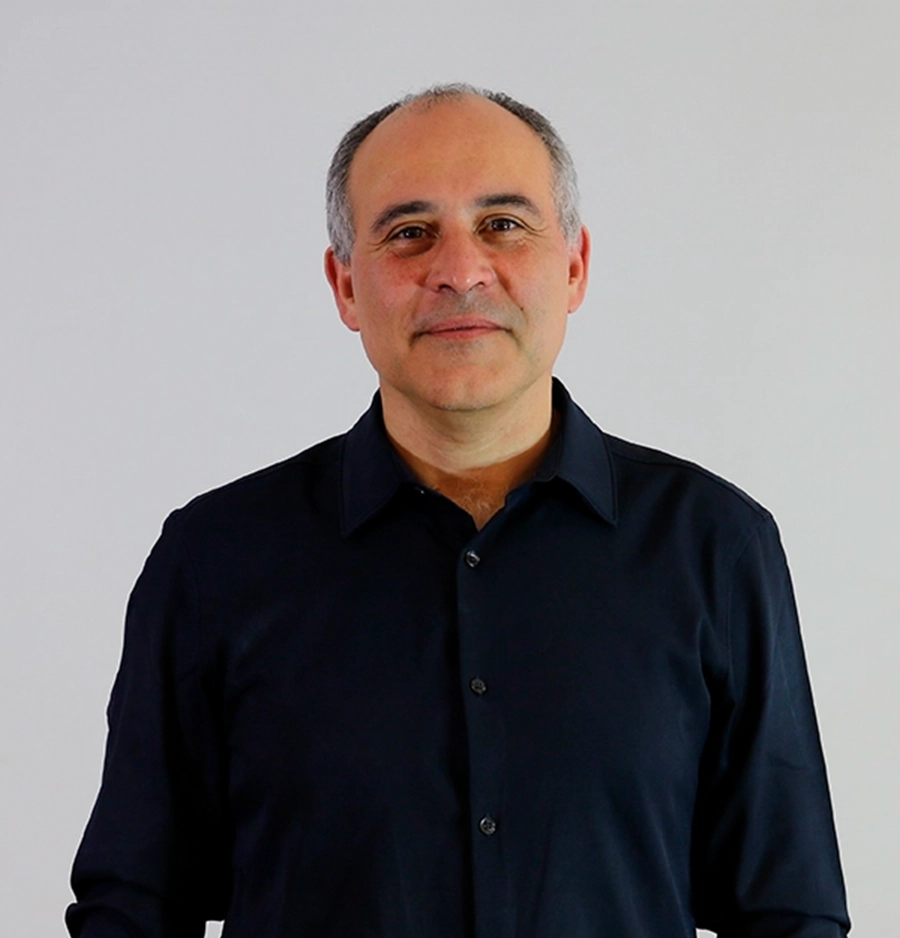
“It is necessary to understand inclusion in a holistic way”, the director of SUMMA at the launch of the GEM Report 2023
August 1st, 2023.
1 de August de 2023
News
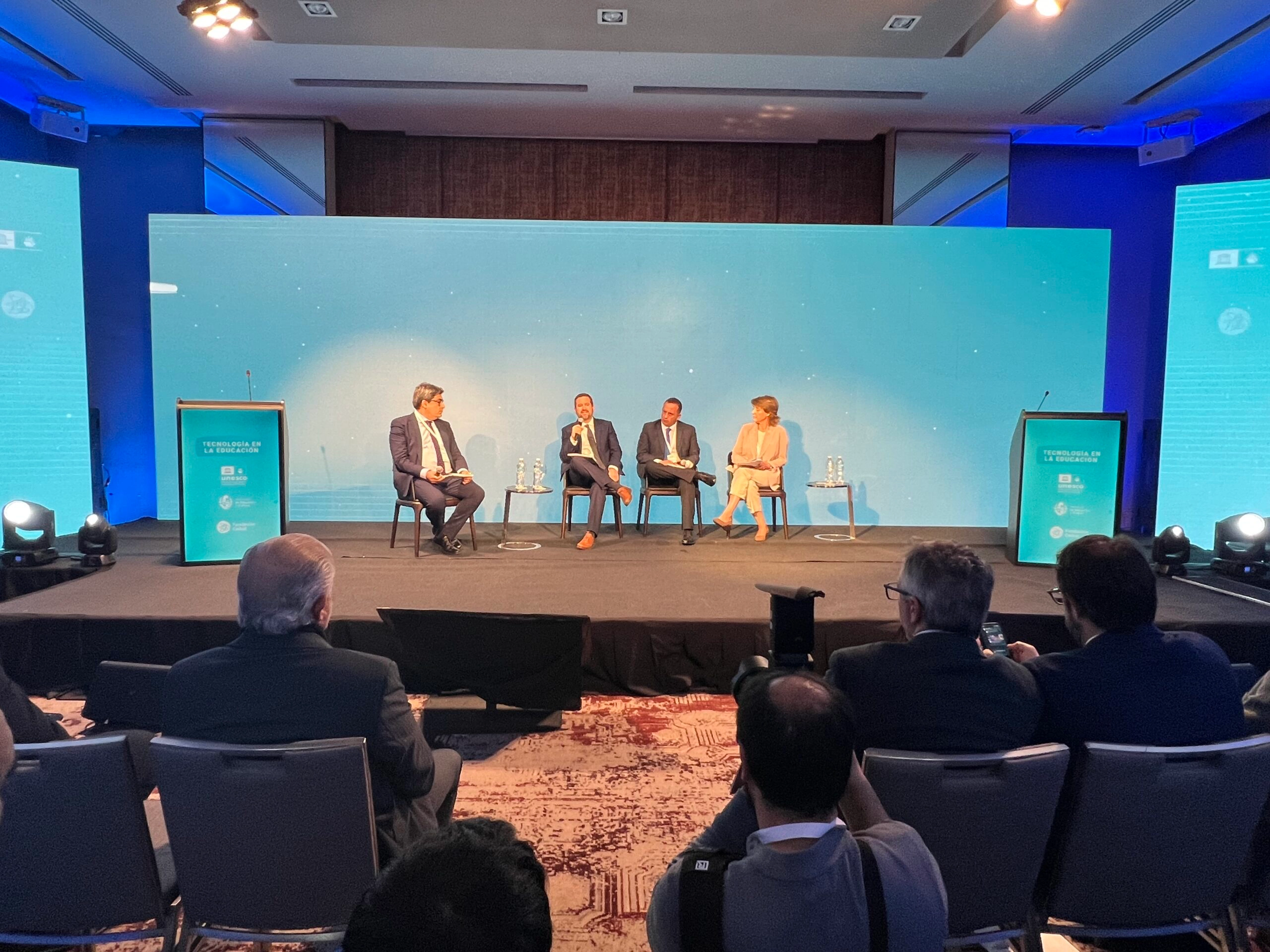
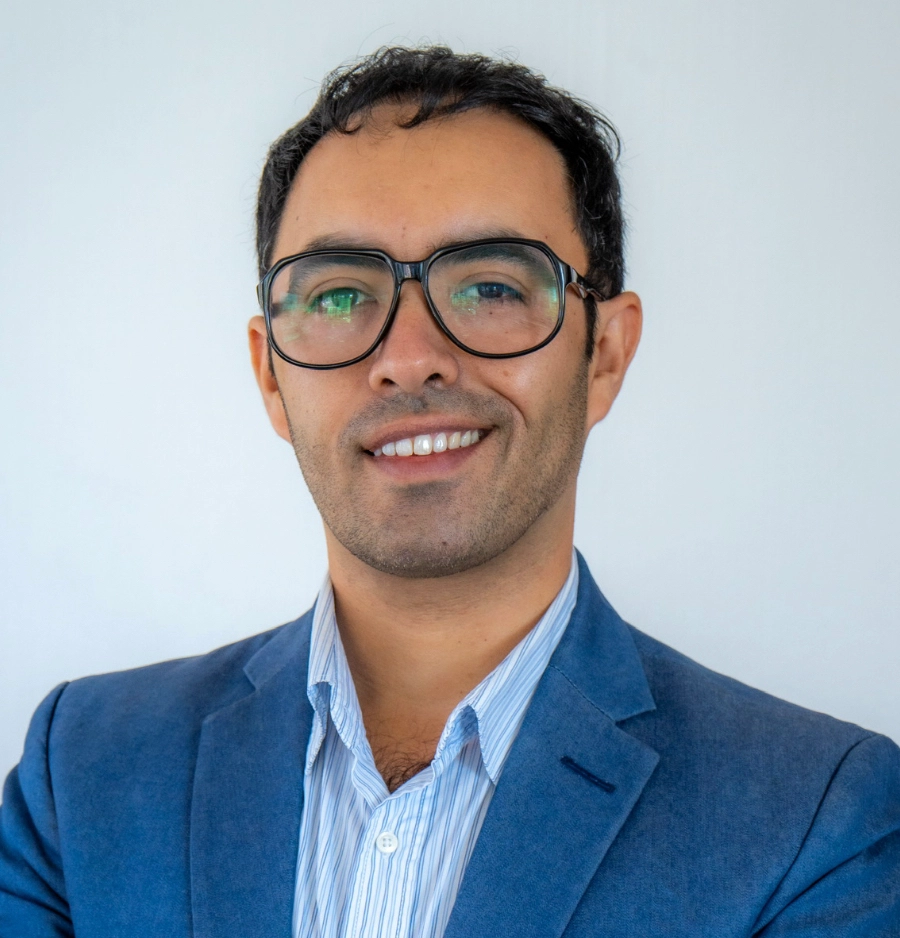
Last week, the global launch of the 2023 GEM Report on Technology in Education was held in Montevideo, Uruguay. The director of SUMMA, Javier González, was invited to be part of the panel on “Technology for an inclusive, equitable, scalable and sustainable education in Latin America”, held during the second day of the event. The space was moderated by Martín Benavides, Director of IIEP UNESCO, and made up of Florencio Ceballos, Senior Specialist of the IDRC Knowledge Exchange and Innovation Program, and Magdalena Brier, General Director of ProFuturo. Also, Estefanía Charvet, Research Director of Southern Voice; and Julia Sant’Anna, Executive Director of CIEB, participated with pre-recorded videos.
The economist reflected on the recently released GEM report and the 2020 GEM Report for Latin America and the Caribbean on Inclusion, which UNESCO produced together with SUMMA. This articulation between both reports helps us “to build on the knowledge accumulated in the region,” he said.
“We need to understand inclusion in a holistic way,” he said. “There is still a very limited definition of the concept of inclusion, closely tied to issues such as poverty, disability and gender. But we have to understand inclusion as the ability to recognize, value and build on differences”, he added.
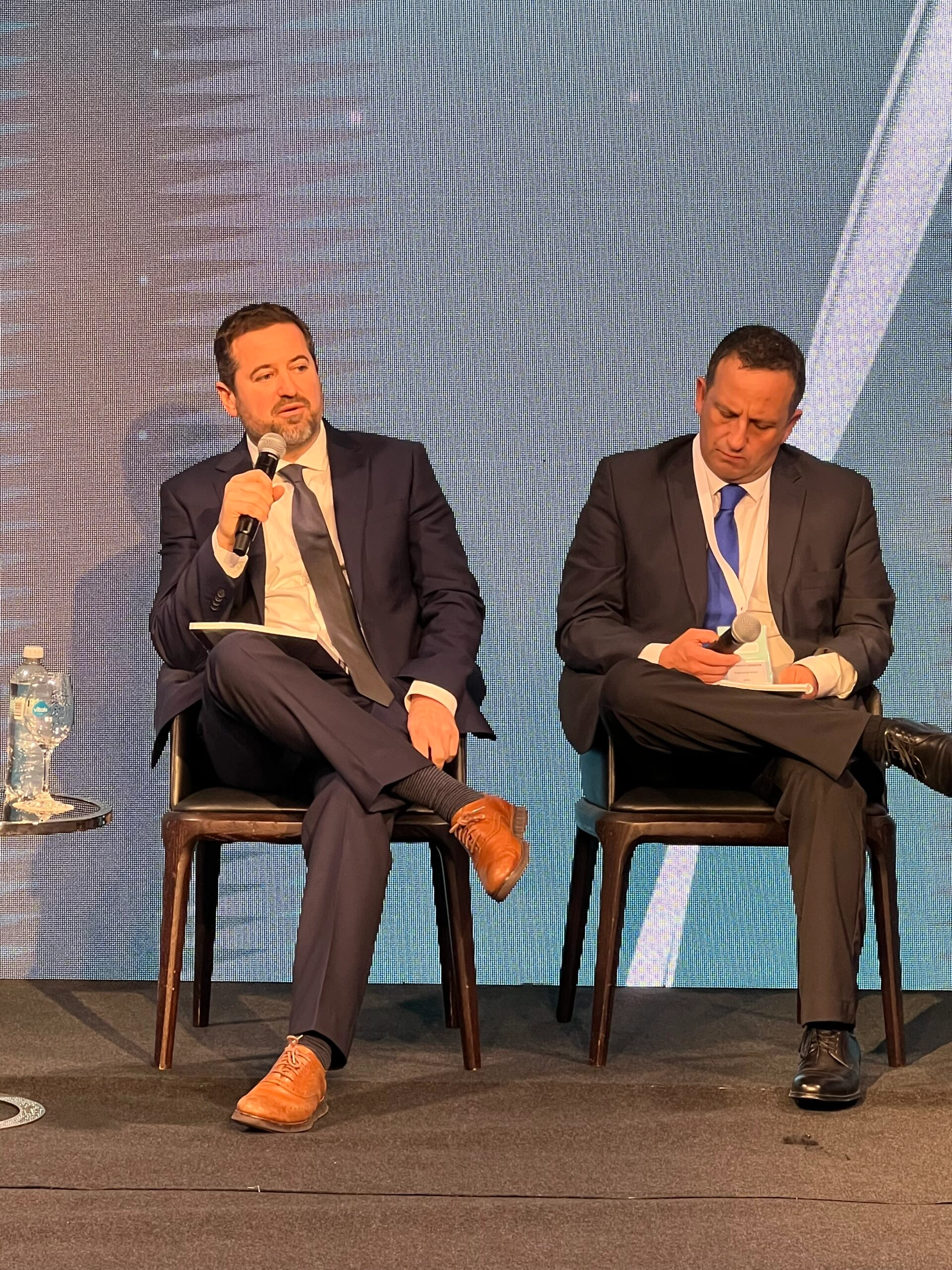 He explained that from this definition it is possible to address all groups in the region, such as migrants or young people deprived of their liberty. “In this case, 30% of them, who are in the custody of the State, do not receive formal education,” he warned. “The question is: where is the inclusion there?”
He added that it is necessary to think about how technology adapts to each context and reality. “There are state-of-the-art technologies that do not necessarily have to do with AI, which are not available today,” he warned. “For example, considering the number of languages and ethnic minorities in our region, simultaneous translation can be a solution. In Suriname, 4% of the boys and girls speak Dutch, and yet the classes are given in that language,” he said.
Gonzalez concluded his presentation by stressing the need for “more financing, better innovation ecosystems and collective capacity to negotiate property rights.”
Watch the video of the second day: https://www.youtube.com/watch?v=JCWqiBzWTwY&t=10757s
Global launch of the GEM Report on Technology in Education
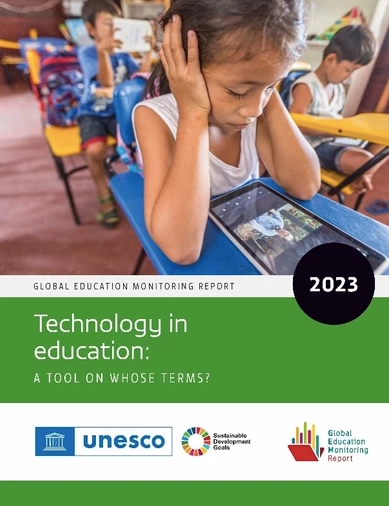 For three days, experts and policy makers met in Montevideo for the global launch of the GEM Report on technology and education. Organized by GEM Report UNESCO, the Uruguayan Ministry of Education and Culture (MEC) and Fundación Ceibal, the global launch event brought together ministers of education and ministers of information and communication technologies, representatives of international and regional organizations, donors , parents, teachers, students and representatives of civil society and the private sector.
The new Report “Technology in education: A tool in what terms?” addresses the use of technology in education around the world through the lenses of relevance, equity, scalability, and sustainability.
He argues that education systems must always ensure that the interests of students are placed at the center and that digital technologies are used to support education based on human interaction instead of trying to replace it. The report examines how technology can help reach disadvantaged learners, but also ensure that more knowledge reaches more learners in cheaper and more attractive formats. It focuses on how to improve quality, both in the teaching and learning of basic skills and in the development of digital skills needed in everyday life. Recognizes the role of technology in system management, with special reference to assessment data and other educational management information.
Related content


Strategic partners