BACK TO ALL NEWS
SUMMA at the annual Evidence in Education Network workshop in Jordan: presented three initiatives and led discussion groups
June 11th, 2023.
11 de June de 2023
News
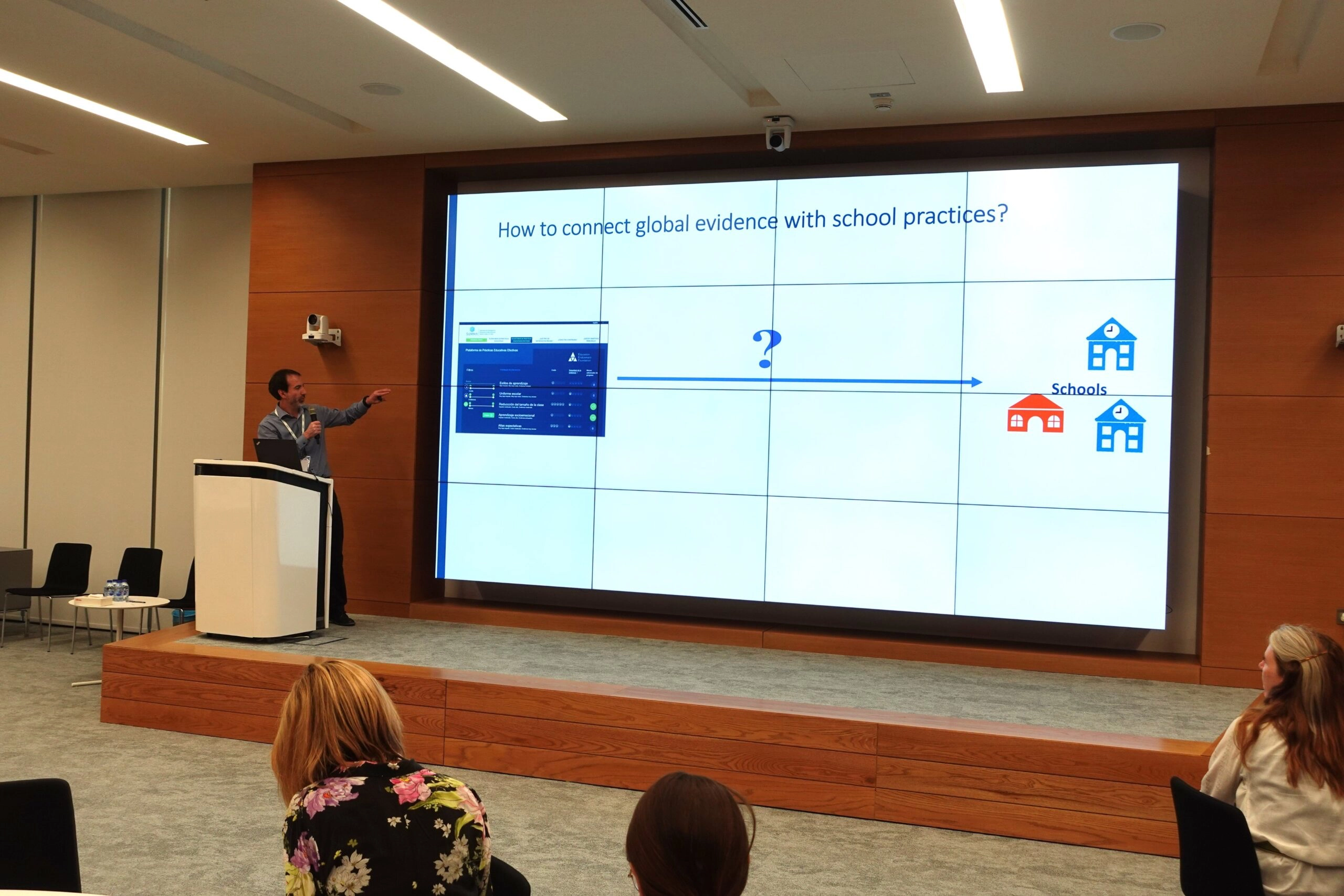
During three days, the annual Evidence in Education Network Workshop was held, organized by the Education Endowment Foundation, in which we were present as a partner organization.
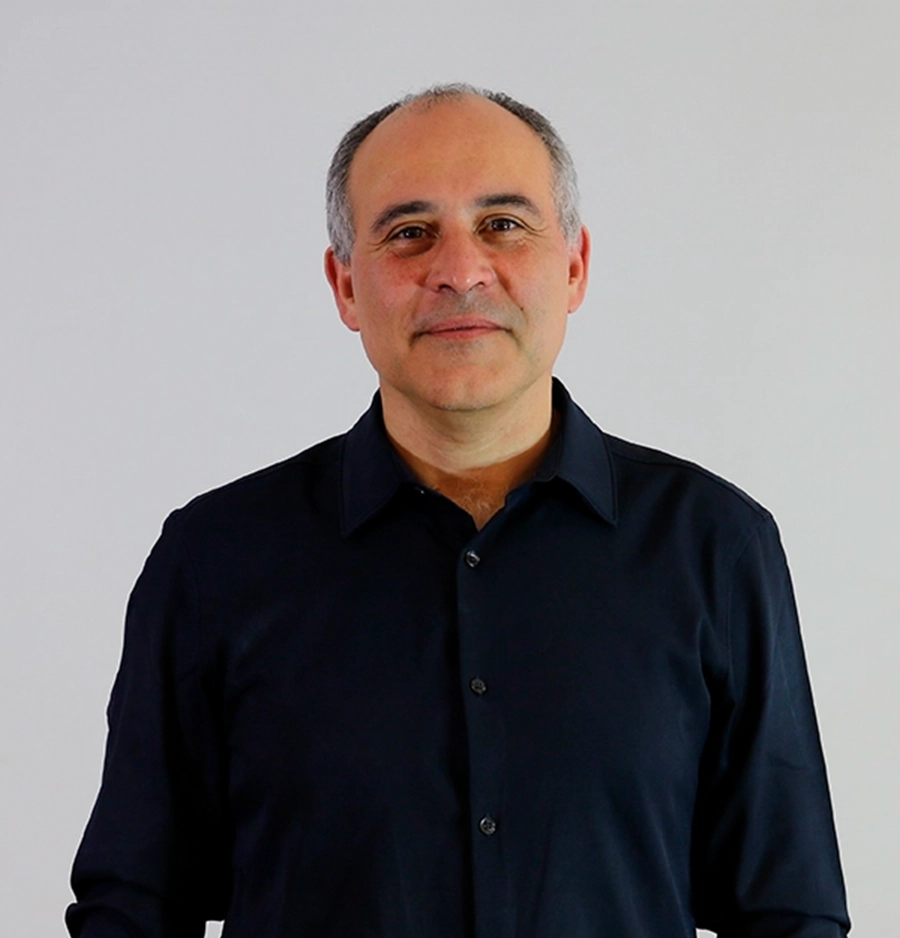
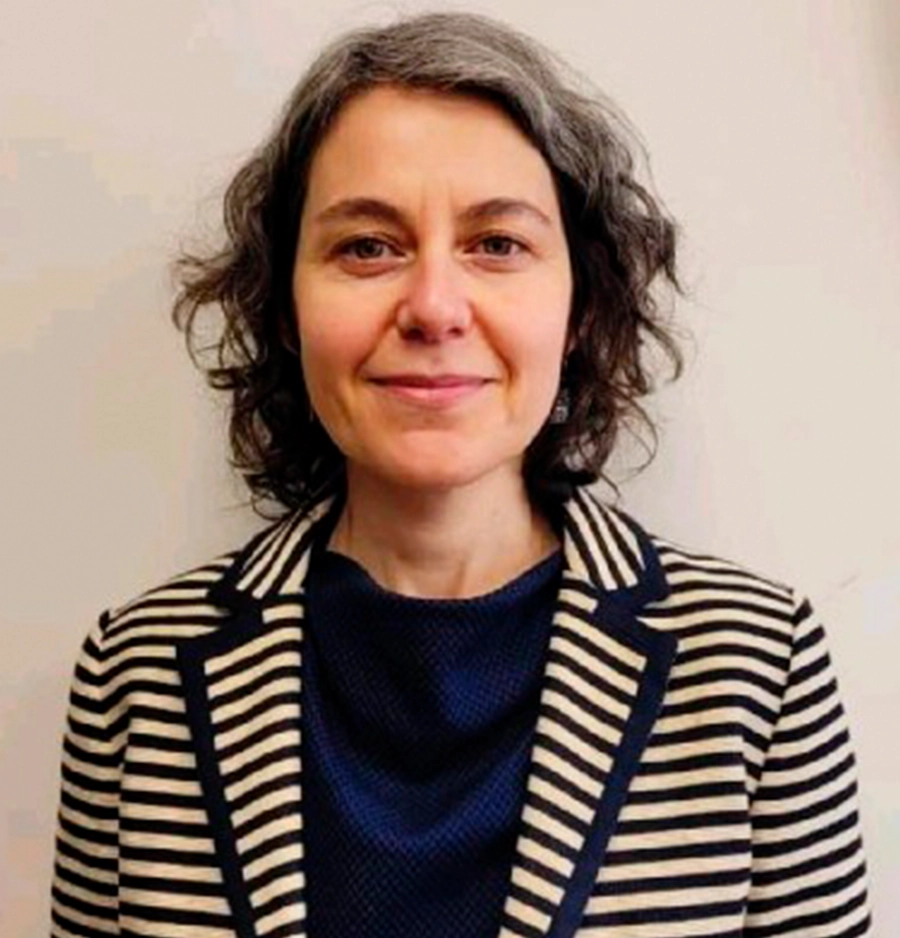
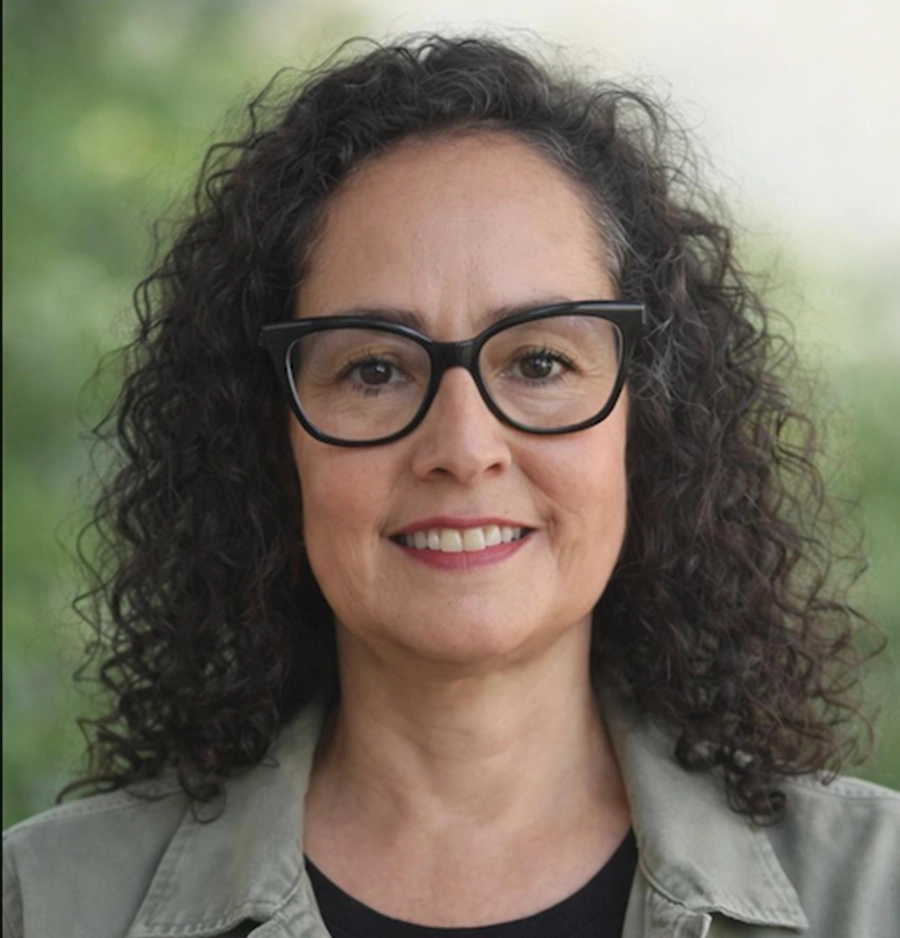
The deputy director of SUMMA, Rafael Carrasco; the Director of Evaluation of Educational Programs and Policies, María José Sepúlveda; and the Coordinator of Evaluation Projects, Paula Salas, traveled to Amman, Jordan, where this important event took place, to participate in an intense agenda that included the exhibition of SUMMA projects, visits to schools and the leadership of discussion groups and work tables on evidence generation.
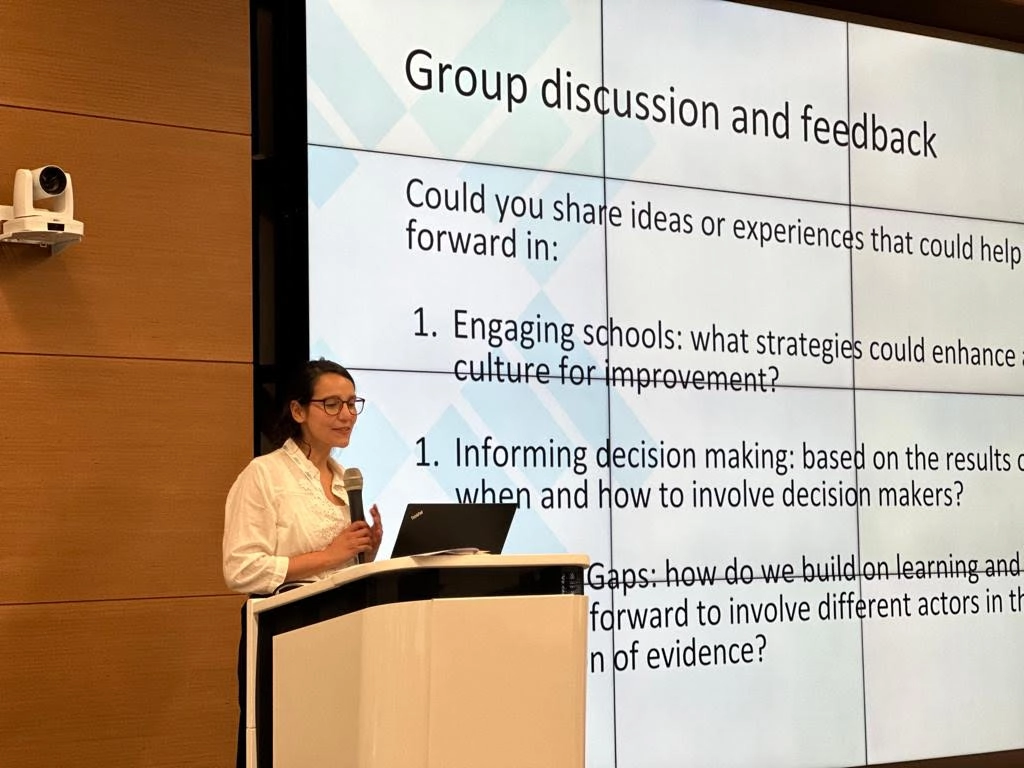 We present the Chaka Program, which we developed in Arica and Parinacota in northern Chile, as an initiative that connects international evidence with effective practices in schools. In addition, we presented two cases in the framework of the discussion on the types of support relationships that are being built with policy makers. We presented the Programme for Integral and Socioemotional Learning Recovery – PRISA- that we designed and implemented together with the Ministry of Education of Panama, and the curricular reform project for the education career in the Caribbean, a collaborative effort with the University of the West Indies.
“It constitutes an enormous challenge for the region to be able to accelerate the processes of educational transformation that help to improve and recover learning, both as a result of the pandemic and of a previous lag suffered by the region that is 2 to 3 or 4 years behind other countries. from Europe, the United States, Canada, Australia It is extremely important in this acceleration process for the region to be able to rely on the experience and evidence of other countries and educational systems that help us find paths that are typical of the region to avoid mistakes, times that we do not have to advance in these transformations.In this context, what is being done in the collaboration network of the Evidence in Education Network (EEN), is extremely important because it allows sharing with advanced centers both in countries that are ahead like others that are further behind, but with whom we face common challenges, how can we connect this experience, this evidence, with what is happening in our schools and classrooms,” Rafael said.
Regarding the discussions and the issues and challenges that emerged during the meeting, the deputy director of SUMMA pointed out that “the challenge that appeared shared by all countries and innovation and development centers has to do with how difficult, how complex it is to bring all this evidence closer to to classroom practices, not only so that this generates more awareness, more knowledge, but also changes in the way teachers work, teach, and support development processes in our students. It is resolved, neither in Chile nor in the world. All countries face it, therefore what we are doing at SUMMA is tremendously important, that concrete effort to be able to bring all that experience and evidence closer to concrete actions both in the class directly, as well as indirectly through educational policies and action with intermediate levels”.
“The conversation with the members of the network was very interesting and shed light on the complexities and solutions. The first have to do with including not only technical dimensions, but also political, social ones in the use of evidence, the importance of understanding that there are different levels of development in our teaching staff and it is important to consider processes that take charge of teachers, systems, schools that are more advanced, others that are further behind, others that are more innovative, or less, that have better conditions or conditions complex. Also the importance of considering in these processes elements that have to do with the motivations, with the development of capacities, and also with the support and accompaniment in the implementation. Different systems have different challenges and needs for action but it is important work on these different dimensions,” he added.
Regarding the initiatives and work carried out by SUMMA in the region, which were presented at the meeting, “our work at the level of educational policy was highlighted, the value of working with governments, ministries, universities, and also with intermediate levels, with schools, networks of schools.What was done in Central America with regard to PRISA was highly valued, in the Caribbean with the University of the West Indies and what is being done in Chaka with regard to achieving this transformation in the classroom which is the last step, the most difficult”. He added that “the development of progress maps was highlighted to guide teachers in the work of effective practices, the understanding of effective practices as strategies that can be articulated, that have synergy between them, not as isolated things. The training strategies that we are working on, the use of communities of practice, the inclusion of managers and teachers in the same processes, the type of materials that we are generating, etc”.
“It is very important to learn from what the Education Endowment Foundation (EEF) is doing in England with innovative school communities, what they are doing in Jordan with improved reading policies and programmes. There is so much to learn from what other countries are doing. Also the opportunity to collaborate. There was talk, among other things, of generating some support tools for teacher development together through the network, of having case studies that guide what improvement is at different levels,” he concluded. “This meeting has allowed us to learn about the work of our partners, identify common learning, and share strategies and challenges regarding the use, generation, and mobilization of evidence in our contexts,” said María José Spúlveda, Director of Evaluation of Educational Programs and Policies at SUMMA. .
“In terms of use, generation, and mobilization of evidence, there are lessons shared among global partners. The importance of recognizing the need for contexts, aligning priorities, and co-producing content with local teams are key to the appropriation of educational programs or policies. based on evidence, both locally and nationally,” he added. For María José, among the challenges of the network, is the definition of a common path that complements and enhances the work that each organization is doing in their contexts. “For this we are looking for new ways to share learning and experiences, as well as to generate evidence of how we are making an impact from our work,” he said.
Regarding the work of SUMMA that was shared during the meeting, María José listed: the generation of evidence, from the lessons learned from the Impact Fund, where we are carrying out an impact evaluation and three pilot evaluations in different Latin American countries; the synthesis of evidence with the contextualization of the Platform for Effective Practices and finally, the use and mobilization of evidence with the cases of PRISA at the national level, UWI at the level of initial teacher training in universities, and Chaka from the transformation of pedagogical practices at school.
“From the area of evaluation, we will continue to systematize and share the lessons learned from the projects and experiences in which we are collaborating to support decision-making both at the school and public policy levels. All this, within the framework of the use of evidence to reduce the educational gaps of the most vulnerable students,” he concluded.
Participating organizations included EduCaixa, Effective Basic Services Africa (eBASE), Evidence for Learning Australia (E4L), Leerpunt, NatCen (National Center for Social Research), and the Queen Rania Foundation, which served as host.
Related content



Strategic partners