BACK TO ALL NEWS
KIX LAC continues to strengthen regional dialogue on classroom teaching
May 26th, 2026.
26 de May de 2026
KIX, News
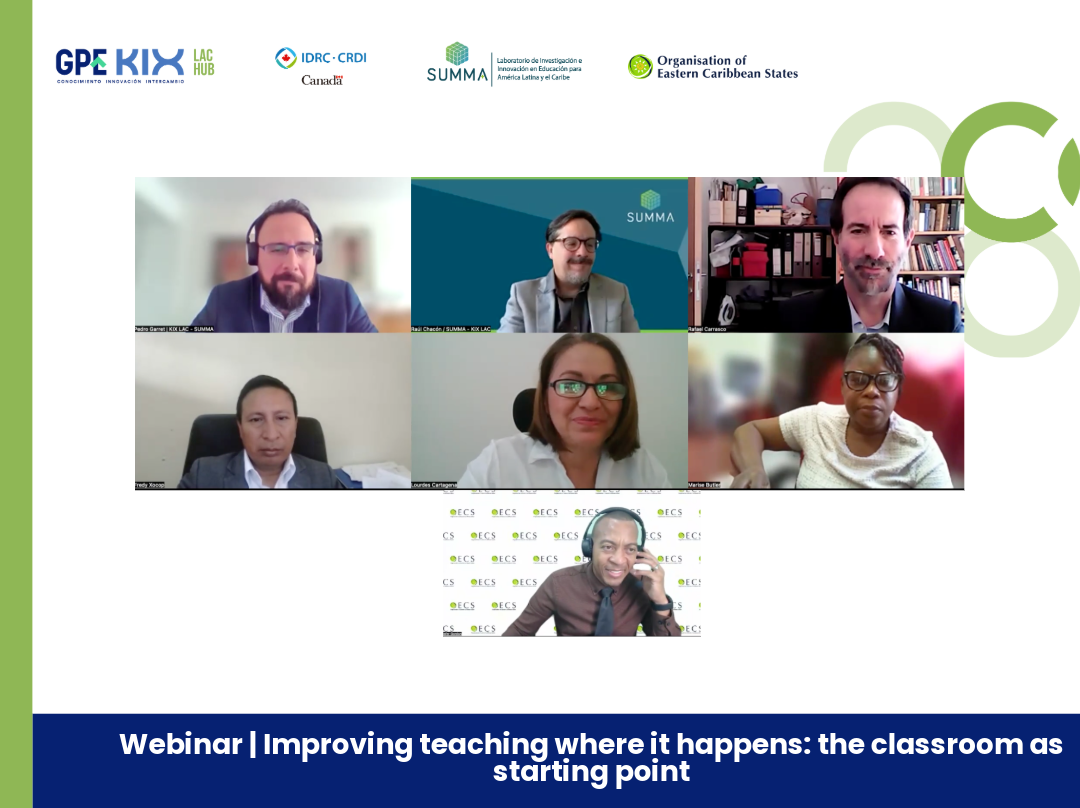
 Watch the webinar
The KIX LAC Hub, an initiative supported by the Global Partnership for Education (GPE) and Canada’s International Development Research Centre (IDRC), and regionally led by SUMMA and the Organization of Eastern Caribbean States (OECS), held the webinar “Improving teaching where it happens: the classroom as a starting point,” as part of the Knowledge Mobilization Cycle on the use of evidence in Teacher Policies and Practices.
The event, part of the first sub-cycle focused on effective pedagogical practices, brought together representatives from the Honduras Secretariat of Education, the Saint Vincent and the Grenadines Community College, the Ministry of Education of Guatemala, the OECS, and SUMMA to reflect on how to improve classroom teaching and strengthen foundational learning through concrete experiences from the region.
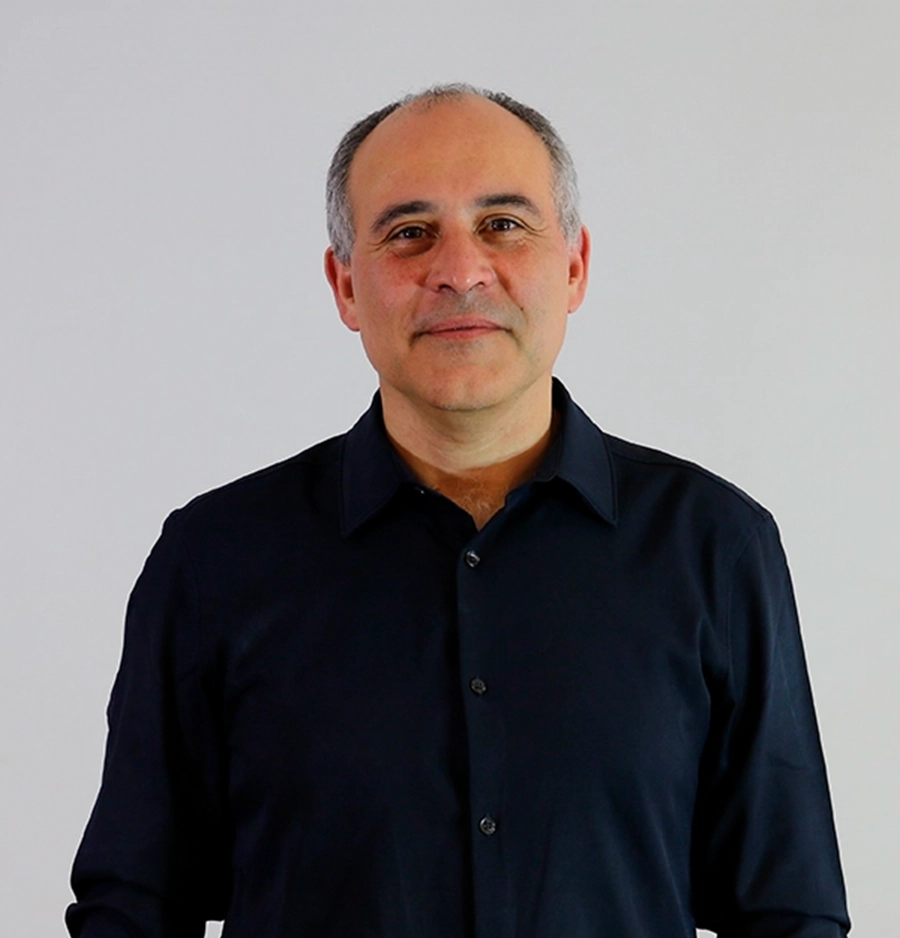
During the opening remarks, Pedro Garret, Project Coordinator and Researcher at KIX LAC, presented the cycle as a work process aimed at strengthening a culture of evidence use in the region. In this context, he emphasised that the classroom remains a critical point for advancing educational improvement, as it is where policies, pedagogical approaches, and teacher capacities translate into better learning outcomes for students.
Rafer Gordon, Senior Education Specialist and Project Coordinator at the OECS, presented the regenerative development model in education promoted by the organization in the Eastern Caribbean through the PEARL program. In his remarks, he highlighted the importance of moving toward more integrated education systems, where curriculum, assessments, teacher professional development, school improvement plans, and data work in coordination to guide pedagogical decisions and better respond to students’ needs.
The webinar then moved to the experiences of Honduras, Saint Vincent and the Grenadines, and Guatemala in the panel “Experiences on improving pedagogical practice and foundational learning in challenging contexts.” The discussion addressed topics such as applied research, initial teacher education, and intercultural bilingual education as pathways to strengthen teaching and foundational learning in the region.
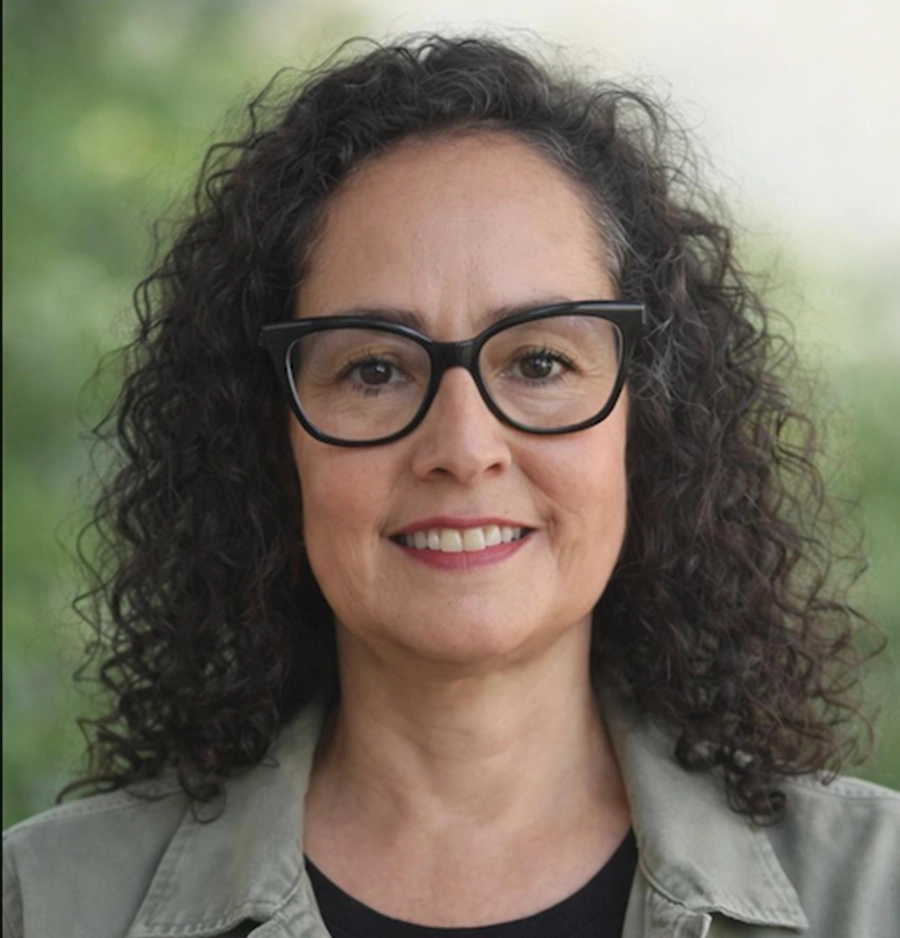
From Honduras, Lourdes Cartagena, Deputy Director General for Educational Research at the Secretariat of Education, shared the experience of the International Diploma in Educational Research, developed in partnership with KIX LAC, SUMMA, and GRADE. In her presentation, she highlighted that this initiative strengthened the capacities of teachers, departmental coordinators, and technical teams, promoting the use of evidence to guide decision-making, inform teacher education, and improve pedagogical practice in the territories.
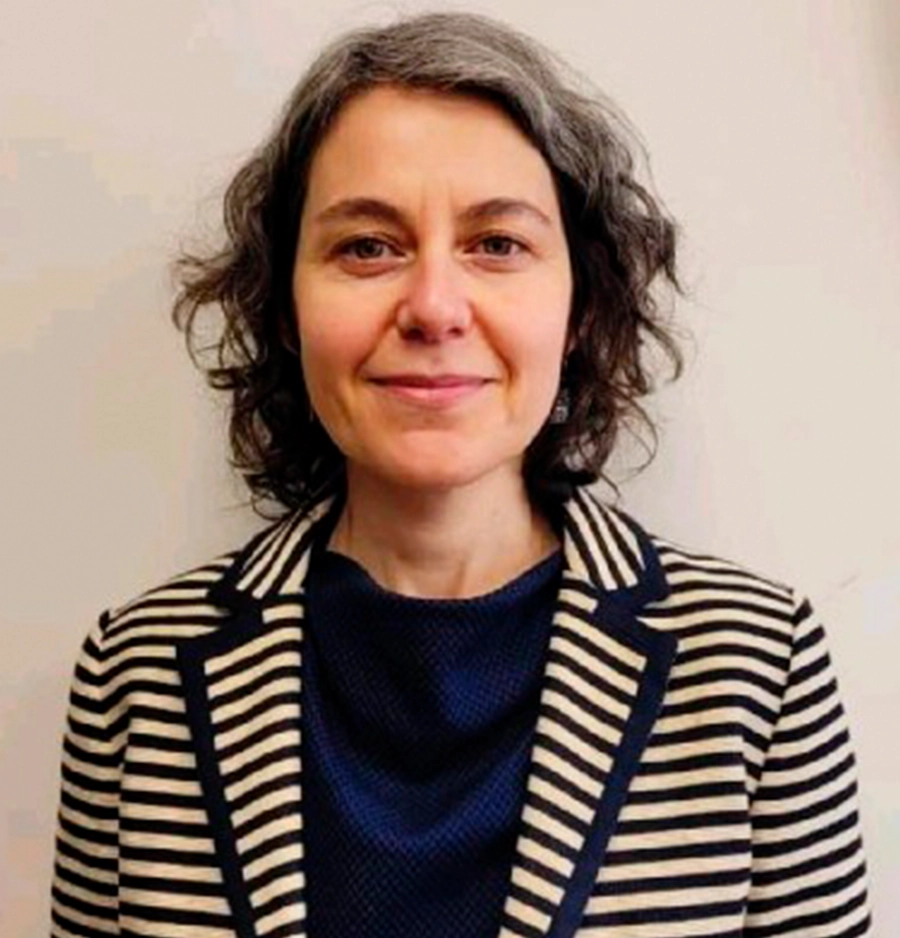
Representing Saint Vincent and the Grenadines, Marise Butler, Dean of the Division of Teacher Education at the SVG Community College, addressed the role of initial teacher education in contexts of crisis and emergency. From the perspective of a multi-island state, she highlighted collaboration with institutions such as the University of the West Indies, the use of technology, hybrid modalities, and participation in local and regional projects as key strategies to turn theory into practice, expand institutional reach, and strengthen evidence-based teacher education.
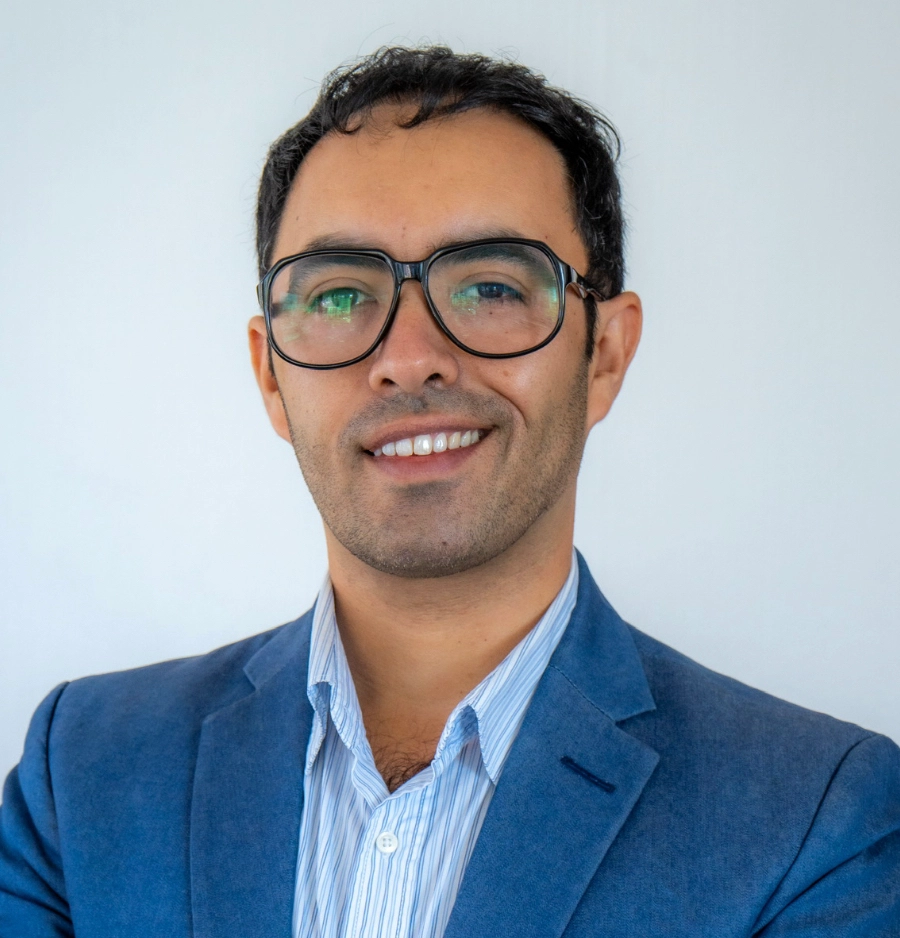
For his part, Fredy Xocop, Deputy Director of Intercultural Bilingual Education at the Ministry of Education of Guatemala, presented the experience of Intercultural Bilingual Education as a key approach to strengthening the relevance of pedagogical practices in a pluricultural, multilingual, and multiethnic country. Xocop shared three lines of action developed by the Ministry of Education: local curriculum contextualization, the development of bilingual educational materials, and continuing teacher education. In this context, he explained that bilingual education refers to the articulation between each community’s mother tongue, such as a Mayan, Garifuna, or Xinka language, and Spanish. In particular, he noted that materials in national languages are not simple translations, but resources that integrate stories, community knowledge, worldviews, and cultural practices, contributing both to the development of reading and writing and to the strengthening of students’ cultural identity.
Finally, Rafael Carrasco, Deputy Director of SUMMA, presented a regional perspective on effective practices and educational innovation to improve foundational learning. His presentation put the scale of the challenge into perspective: Latin America and the Caribbean face greater learning gaps than OECD countries, while also having fewer resources and more complex social contexts to address them. Drawing on international and regional evidence, he highlighted that there are pedagogical practices with strong potential to improve learning, such as metacognition, formative feedback, classroom dialogue, and peer collaboration. In this framework, he presented experiences promoted by SUMMA, such as Dialogic Classrooms, which seek to transform the instructional core through spaces for conversation, reflection, and learning among students, teachers, and school communities.
The webinar concluded with a dialogue space that explored action research, the use of data for decision-making, and the importance of strengthening collaboration among actors in the education system. In the final reflections, the panelists agreed that the region’s challenges cannot be addressed in isolation but require more connected systems, teachers with stronger capacities, learning communities, and evidence-informed decisions.
Throughout 2026, the Knowledge Mobilization Cycle will move from the classroom toward a broader view of the education system and its conditions for sustainability. By focusing on teaching, this first sub-cycle seeks to generate inputs for the next stages of the cycle, linked to the analysis of gaps in vulnerable contexts and the discussion on scaling practices and policies aimed at improving foundational learning.
To explore the main learnings from the webinar in greater depth, we invite you to review the systematization document of the event: KIX LAC Webinar Systematization
Related content



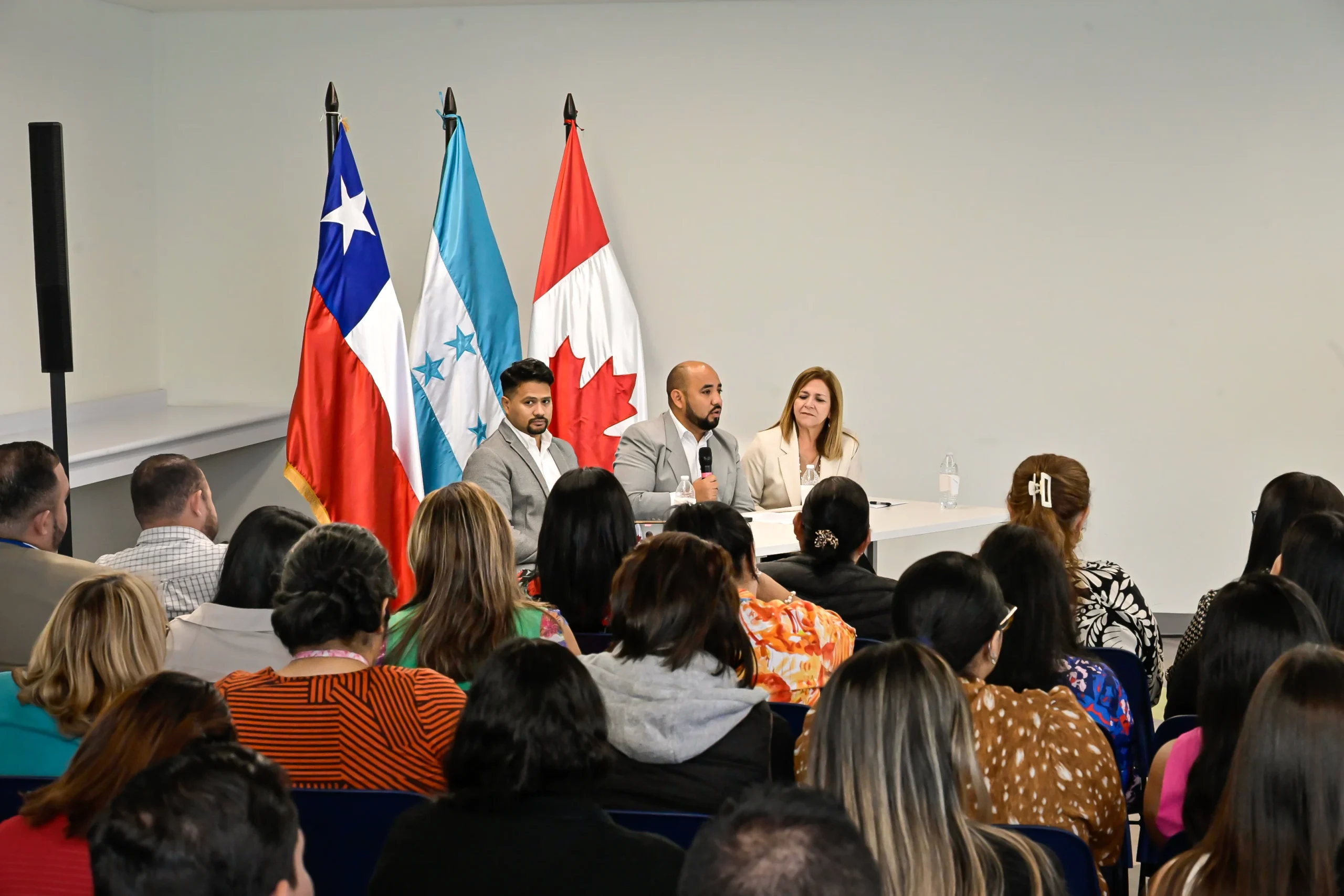
Strategic partners