BACK TO ALL NEWS
The right to education of excluded groups in Latin America and the Caribbean
November 21st, 2019.
21 de November de 2019
News
Last Tuesday November 19 the Special Webinar called “Under the radar: the right to education of excluded groups” took place. It was held within the framework of the World Innovation Summit for Education (WISE) in Qatar, and was co-organized by WISE and SUMMA.
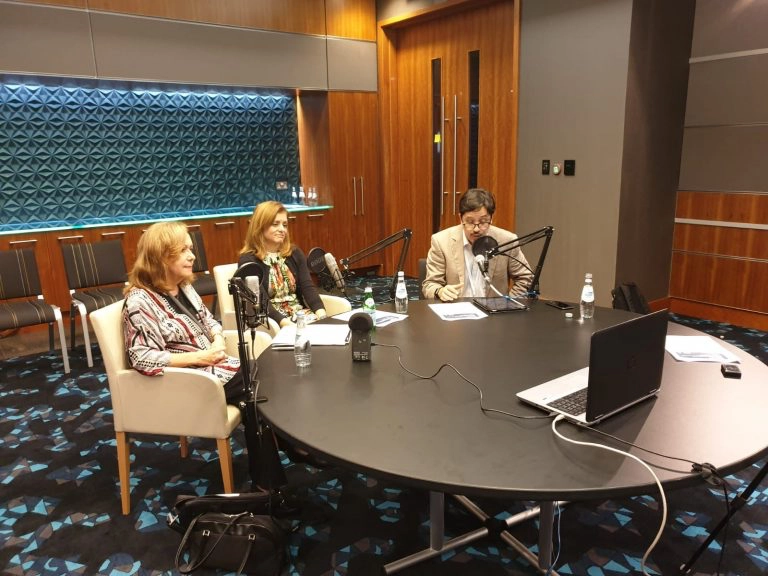
The relevance of this space is due to the fact that during 2020, UNESCO’s GEM Report will include for the first time a regional report, focusing on Latin America and the Caribbean. SUMMA, GEM Report and OREALC/UNESCO will be in charge of developing this report, which will focus on the topic of inclusion.
In this project, attention will be paid to the groups most excluded from the educational system, according to the following dimensions: socio-economic status, rurality, gender, disability status, ethnicity, migration, sexual minorities (LGTBI+), and deprivation of freedom.
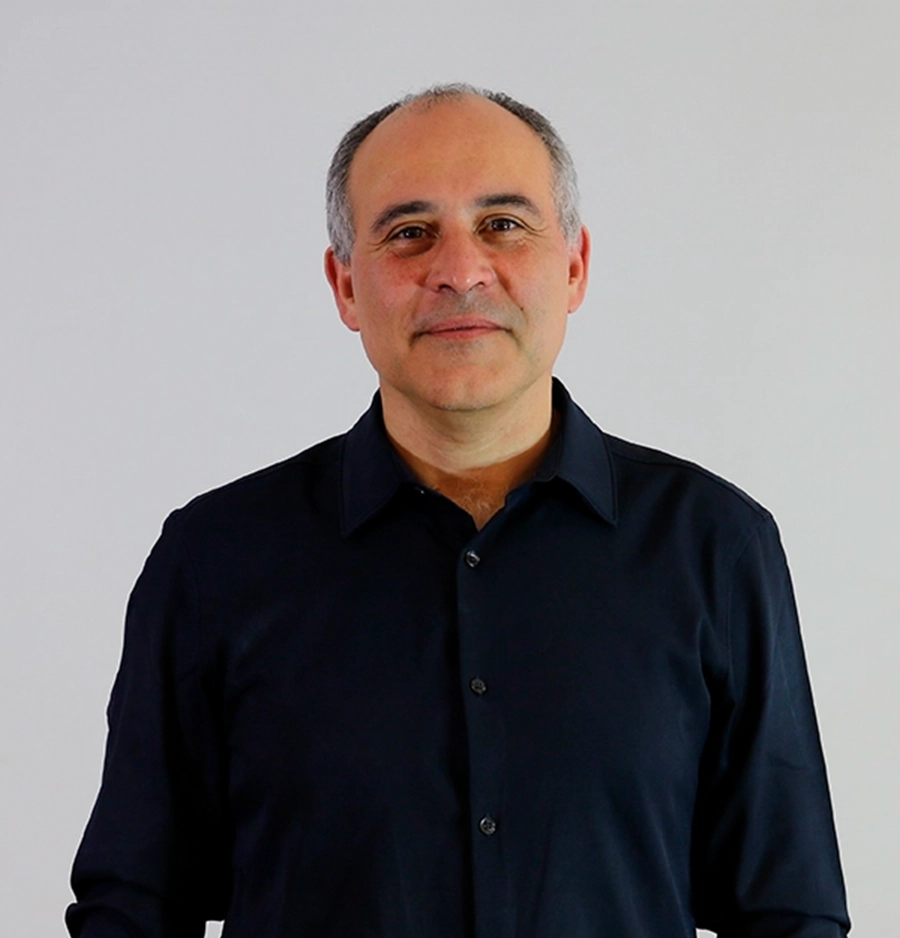
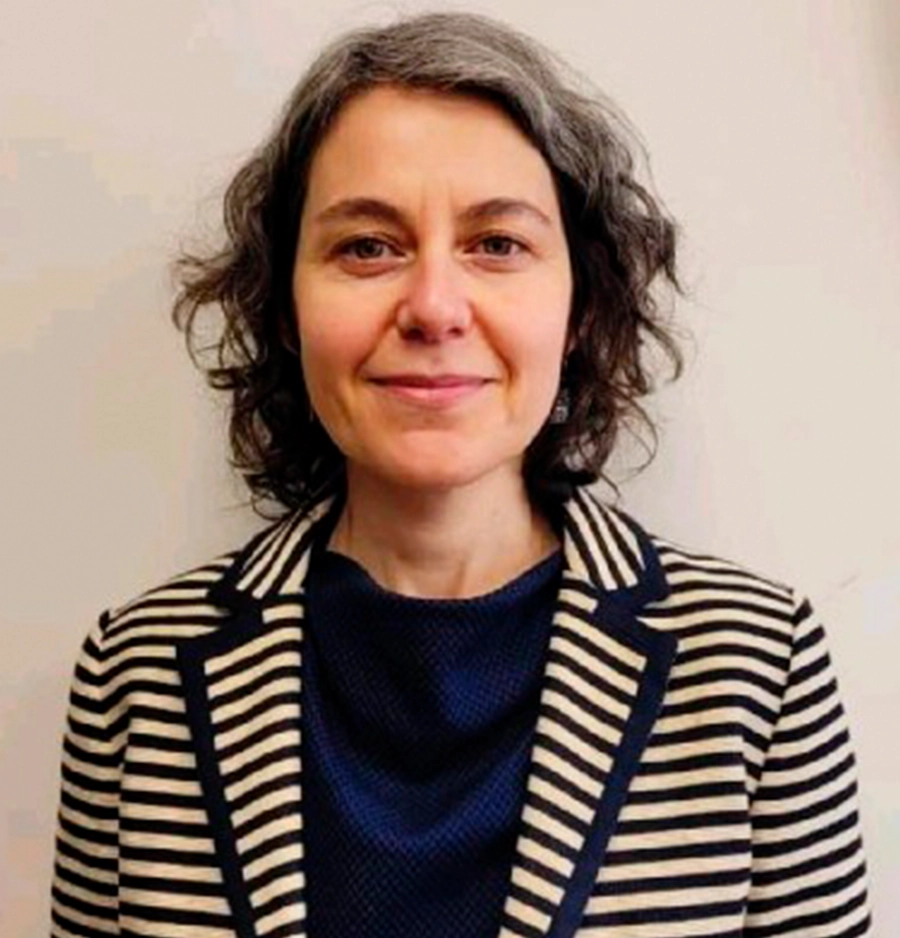
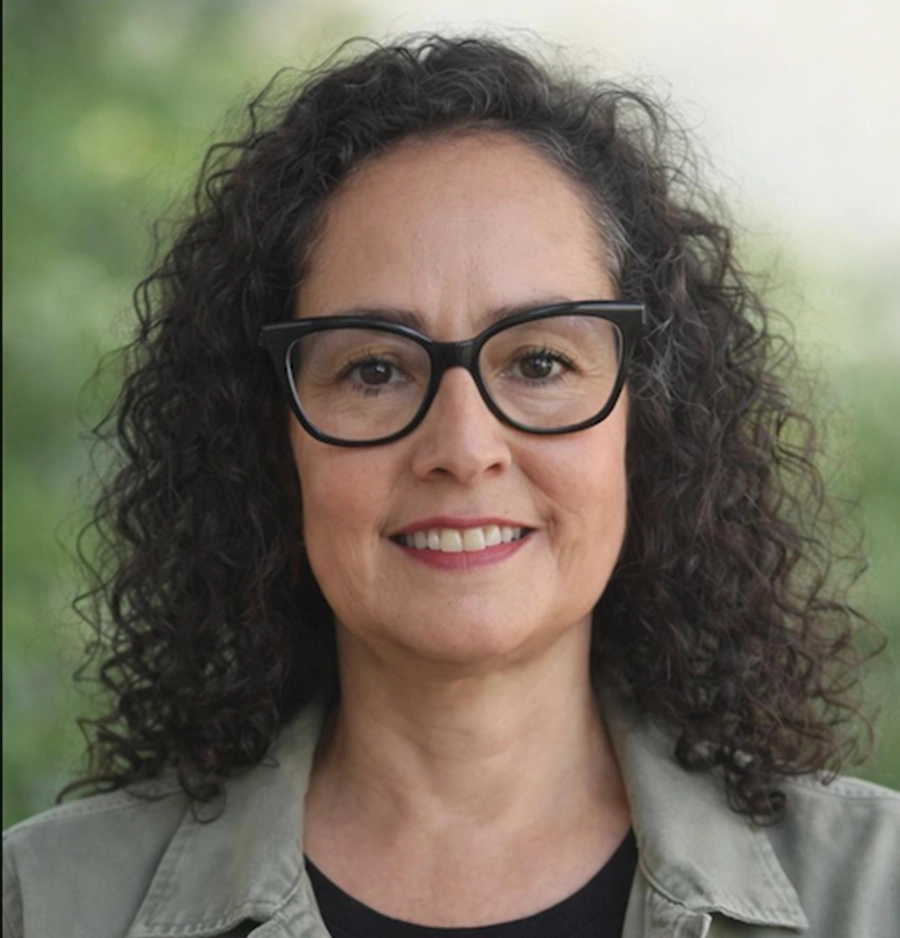
The virtual event was attended by leading education specialists of reference from Latin America and the Caribbean: Emiliana Vegas (Co-Director and Senior Fellow, Center for Universal Education, The Brookings Institution), Vicky Colbert (Executive Director – Fundación Escuela Nueva) and Javier González (SUMMA Director). The moderation of the space was in charge of Raúl Chacón, Senior Fellow of SUMMA.
The following are some of the main ideas raised during the event that lasted more than 60 minutes:
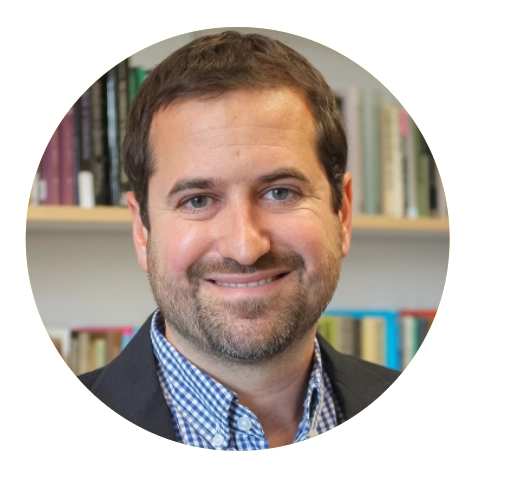 Javier González
“Today we are faced with a legitimate social demand for greater equality. Upon this, we must work with governments to design effective policies that promote greater real social justice. Rigorous evidence is key to this goal. That’s what the GEM report is all about.
Vicky Colbert
“Teacher trai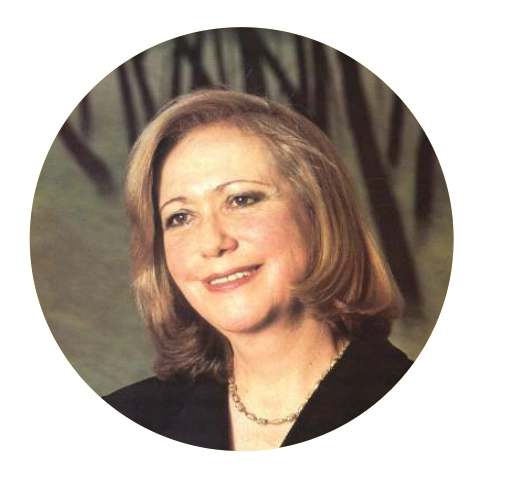 ning is very academic, more active learning is needed.”
“Let’s change the classroom, let’s change the school. Let us take the school as the unit of change.”
“In order to respond to the management of heterogeneity in the classroom, it is necessary to better adapt to the pace of the students, strengthen cooperative learning, and transform complexity into simple actions.”
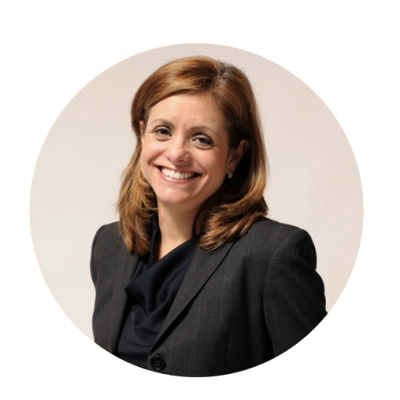
Emiliana Vegas
“There is very strong evidence that in the early years 21st century skills are developed: to collaborate, to learn, to adapt. Quality must be improved in early childhood.”
“How can we reform the education system so that instead of paying attention to averages, it responds to our differences that make us unique and allow us to advance at our own pace?”
During the activity, people attended from various social actors (government, civil society organizations, academia, among others) and from countries such as Argentina, Chile, Peru, Nicaragua, Colombia, Panama. Spain, Mexico, Ecuador, Uruguay, among others.
To learn more about the GEM Report in Latin America project, please see the document “Concept Note. 2020 Global Education Monitoring Report Latin America and the Caribbean: inclusion and education”.
Research Innovation Ecosystems in Latin America
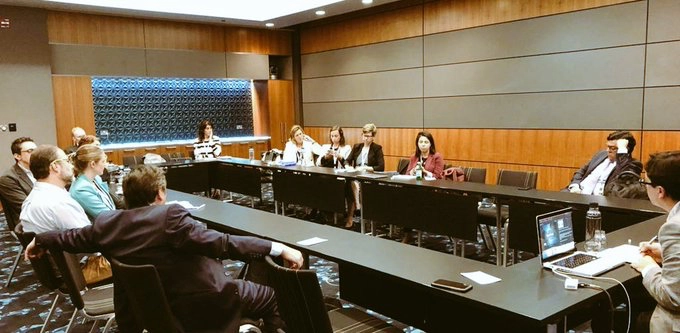
SUMMA coordinated the Round Table on Research Ecosystems in Latin America Innovation, in addition to the virtual spaces that have been carried on. SUMMA presented the research project that has been leading across the region, while opening debate to a handful of researchers, specialists and representatives of institutions in the field. Raún Chaón, Senior Fellow of SUMMA took part as a moderator of the space.
Related content

Strategic partners