BACK TO ALL NEWS
Seminar organized by OECD, SUMMA, and CIAE: experts focus on teaching and reflect on evidence and challenges for transforming education
August 28th, 2025.
28 de August de 2025
News
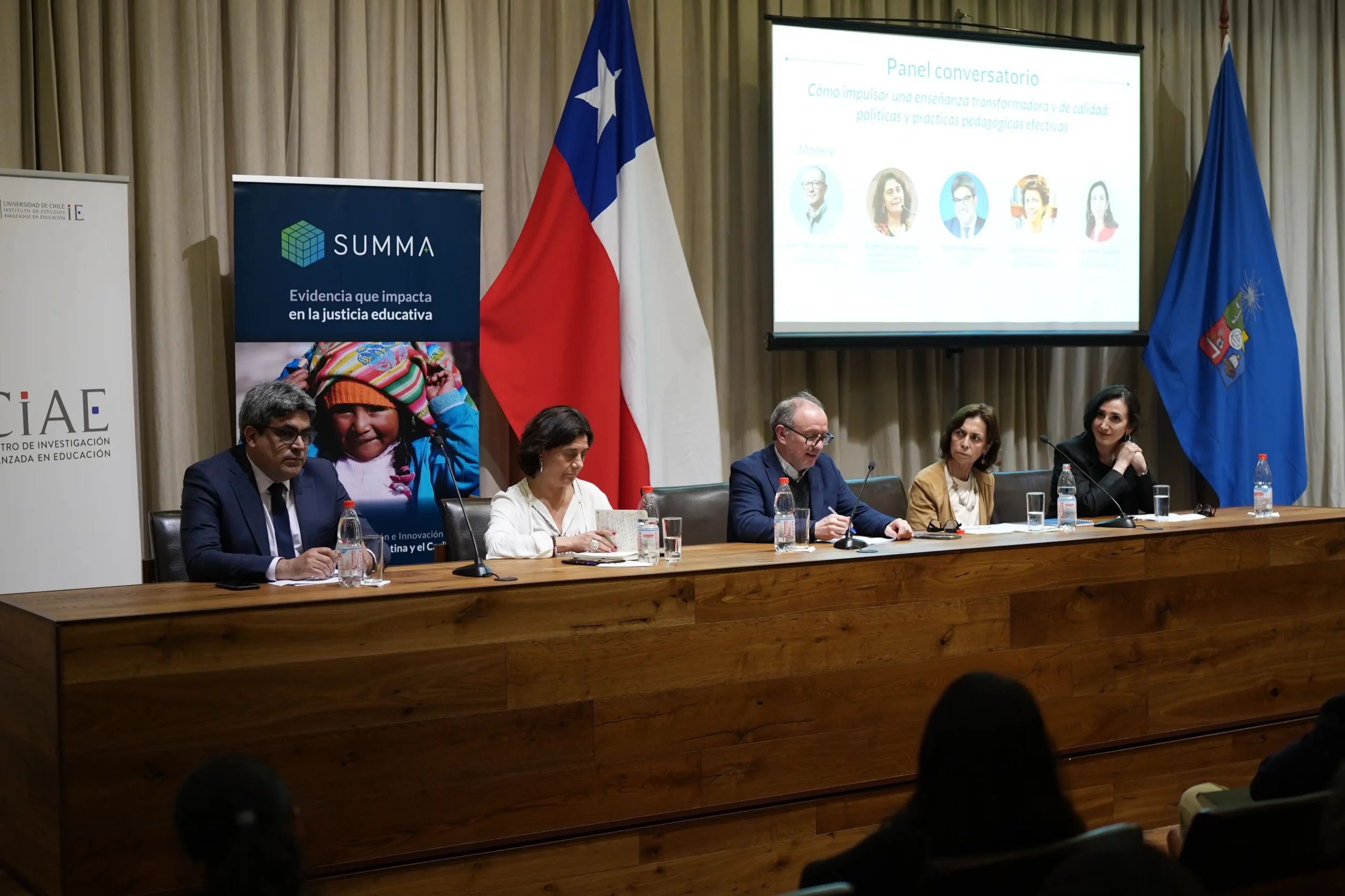
Organized by the Organization for Economic Cooperation and Development (OECD), SUMMA, and the Center for Advanced Research in Education (CIAE) of the University of Chile, an international seminar was held to present and reflect on the Spanish version of OECD report “Unlocking High-Quality Teaching,” which was produced in collaboration with SUMMA.

Before an audience of around 100 people at the University of Chile’s Central Campus, the event began with welcoming remarks by SUMMA Director Javier González and CIAE Director Juan Pablo Valenzuela.
González stressed that “quality teaching requires science, research, and evidence” and that “rather than asking teachers to do more, we must support them in doing better.” For his part, Valenzuela emphasized that “evidence shows that teachers are the key to changing education.”

Next, Andreas Schleicher, Director of OECD Education and Skills, presented the findings of the report and discussed the policies and pedagogical practices needed to achieve it.
In his presentation, he noted that “we share SUMMA’s mission to transform education” and emphasized the importance of empowering teachers as agents of change to drive student growth. He also revealed the five key objectives and dimensions addressed in the report:
Ensuring cognitive engagement
Developing quality disciplinary content
Providing social-emotional support
Encouraging classroom interaction
Using formative assessment and feedback.
Each of these objectives is supported by 20 highly effective, evidence-based teaching practices.
Schleicher spoke about the importance of understanding the complexity of teaching and the need for support so that teachers can navigate and lead change. “Their cognitive, socio-emotional, and physical well-being must be actively supported. Teachers cannot give what they do not have,” he warned.

The director of SUMMA, who is also a member of the international advisory group for the OECD’s Schools+ initiative, took the floor to elaborate on the issues and challenges of teaching quality in the region. He warned that in Latin America and the Caribbean “there is a slowdown in terms of education, there is a loss of momentum in terms of learning.” “We have more than 10 million children out of school, we have a learning gap equivalent to 3 to 5 years, and there is a shortage of teachers,” he said.
“But it’s not all bad news,” added the economist. “We have been working for a long time to identify effective teaching practices, and it is in this context that the work with the OECD begins,” he added, warning that “in Latin America we still have a challenge ahead of us: to build on difference. Diversity continues to be seen as a problem, when in fact it is an opportunity.”
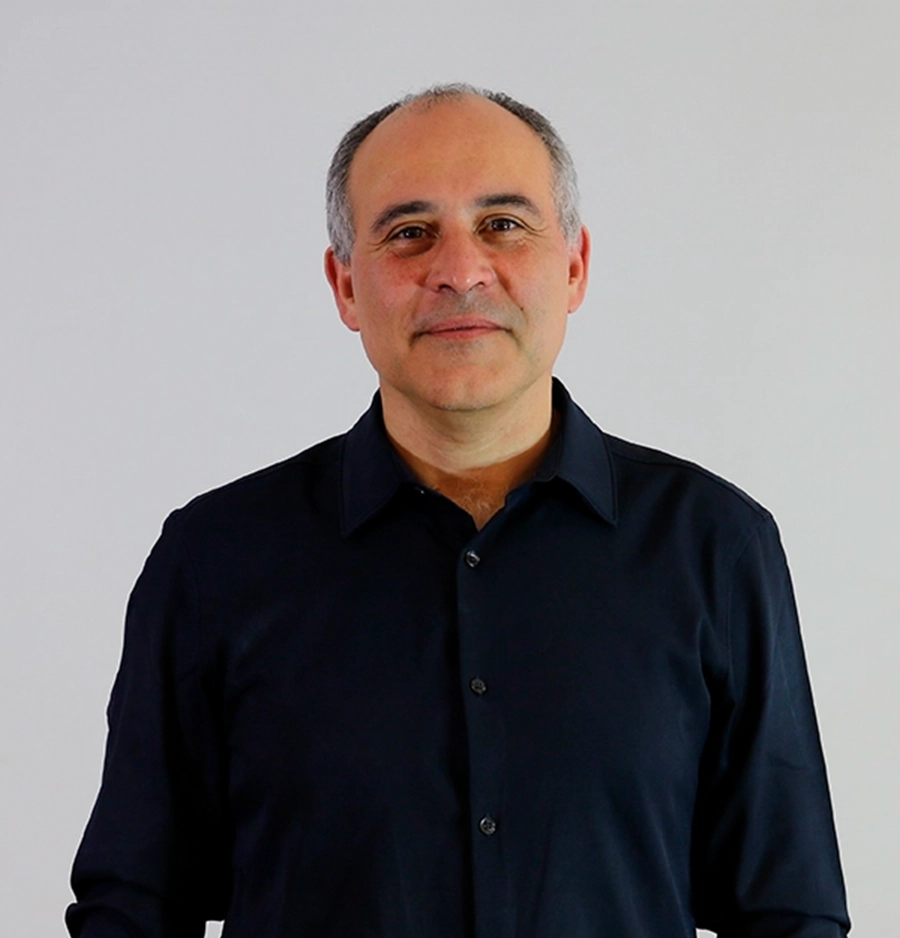
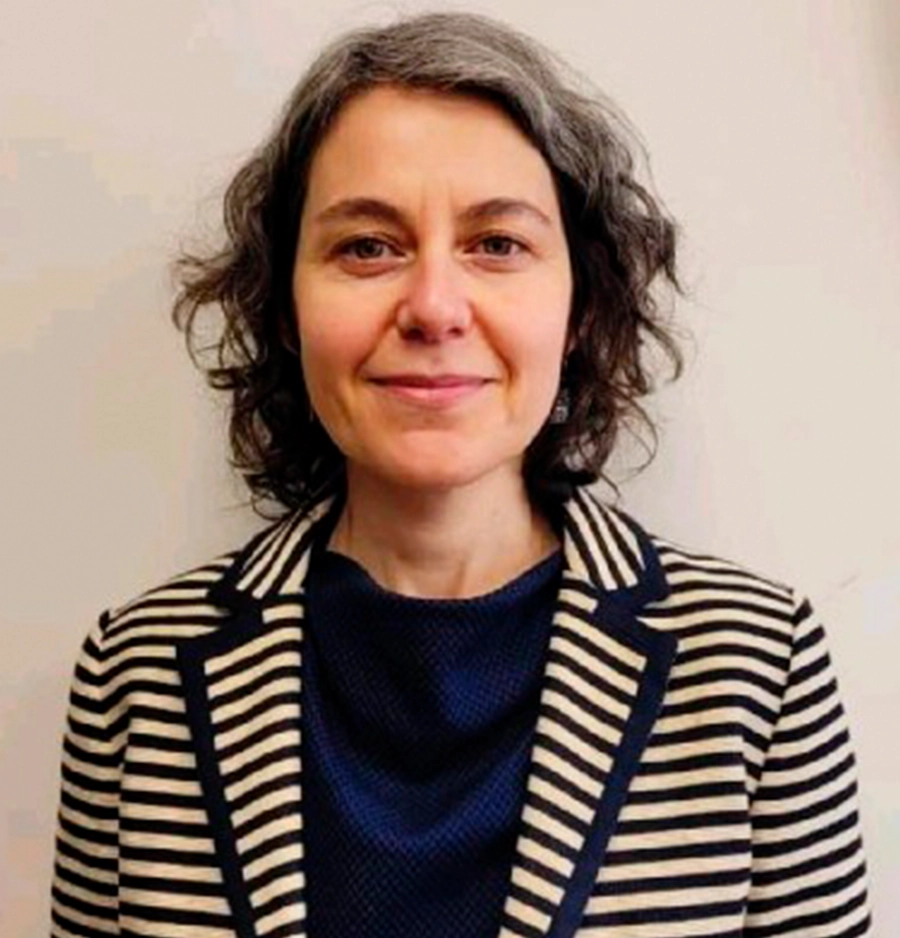
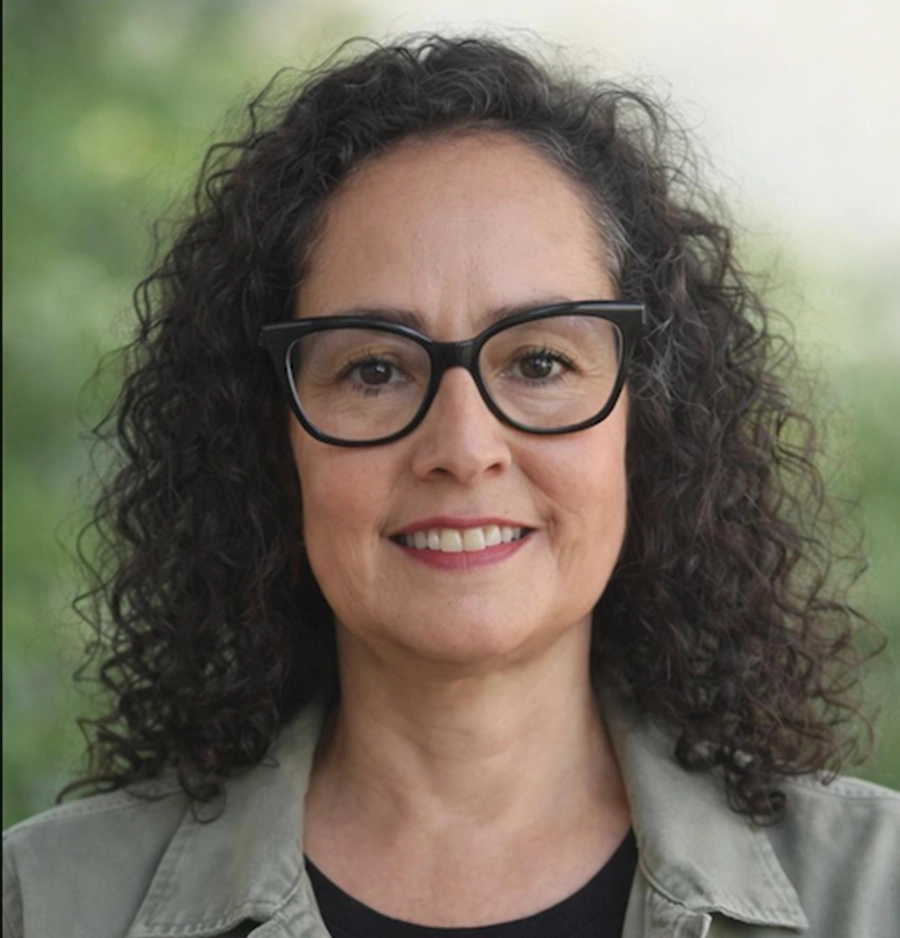
This was followed by a panel discussion focused on how to promote transformative, high-quality education. The panel was made up of Angélica Fuenzalida, Deputy Director of Strategic Development at the Chilean Public Education office; Martín Benavides, Director of IIEP UNESCO; Carmen Montecinos, Director of the Educational Leaders Center, PUCV; and Farzaneh Saadati, Academic at IE-CIAE (University of Chile). The event was moderated by Juan Pablo Valenzuela, Director of CIAE.

Towards the end of the meeting, SUMMA signed strategic alliances with IIEP UNESCO, OECD, and CIAE.
About the report
One of the priority challenges for education in Latin America and Chile is to ensure that the learning provided in schools is meaningful, transformative, and of high quality. To this end, it is necessary to identify and promote the most effective teaching practices, based on comparative evidence, in order to foster high-quality initial and continuing teacher training.
This report delves into the understanding and refinement of highly effective, evidence-based teaching practices. To this end, it focuses on 20 practices that support five key dimensions of high-quality teaching, drawing on extensive research and the experience of 150 schools in 50 countries around the world participating in the OECD’s Schools+ initiative.
Related content



Strategic partners